
What Is a Slevoo Air Purifier Filter?

Time:2026-11-23 Author:Isabella
0%

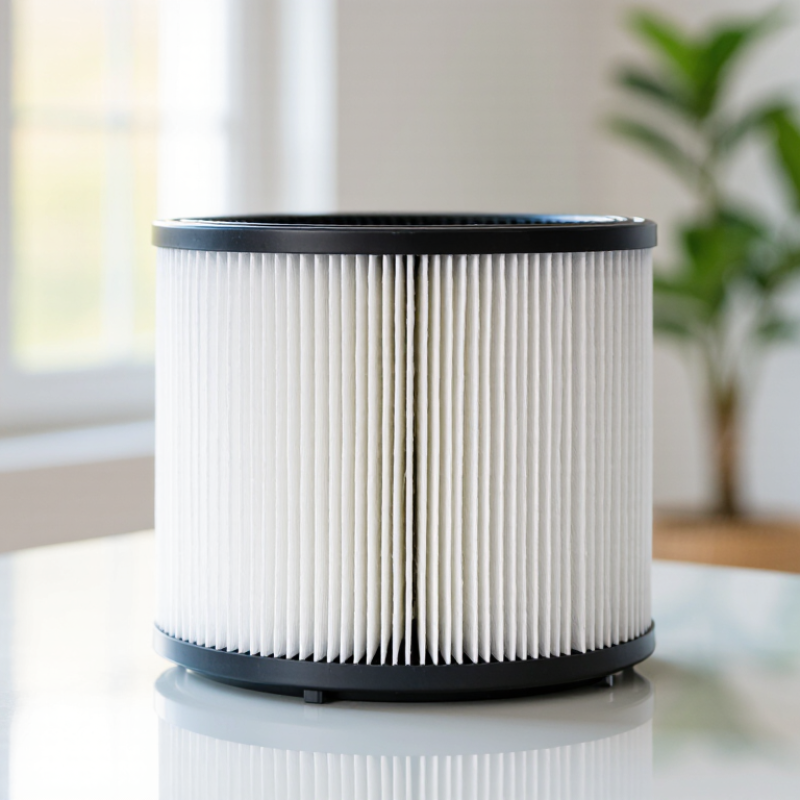
A Slevoo air purifier filter is the replaceable component that captures airborne particles as the purifier draws room air through it. Its construction and fit depend on the specific purifier model, so “Air Purifier Filter For Slevoo” should not be treated as one universal size or design. Check the model number, filter dimensions, and replacement instructions before buying. A filter that looks similar may still leave gaps around its edges.

The World Health Organization’s 2021 Global Air Quality Guidelines set a recommended annual PM2.5 level of 5 micrograms per cubic meter. That figure is a health guideline, not a promise that any single filter will achieve it indoors. The U.S. Environmental Protection Agency’s Guide to Air Cleaners in the Home also explains that portable cleaners can reduce some airborne particles, but no air cleaner removes every pollutant. Small details matter: the seal, airflow, room size, and a filter’s condition all affect performance. A dusty pleat is not a measurement.

Building-science expert Dr. Richard Corsi has emphasized the value of clean indoor air: “We need to make sure we are providing clean air in buildings, just like we provide clean water.” His point concerns buildings broadly, not a specific Slevoo product. That distinction matters. Before replacing a filter, confirm the purifier’s exact model and check whether its manual specifies a compatible part. Look for a secure fit and clear product information, too. A little uncertainty remains when specifications are missing, so avoid assuming that “fits Slevoo” means tested or endorsed by the manufacturer.
What Is a Slevoo Air Purifier Filter?

Definition and Purpose of a Slevoo Air Purifier Filter

An air purifier filter is the part that catches or adsorbs some airborne contaminants as room air passes through the device. It is usually fitted inside the housing, between the air intake and the fan. The filter’s purpose is to reduce particles such as dust, pollen, and pet dander, depending on its materials and design. Some models also use activated carbon to help reduce certain odors. Not every filter does both jobs. The specific filter layers matter.

A pre-filter may collect larger fibers and hair, while a finer layer targets smaller particles. The fan then circulates the treated air back into the room. This can help, but it does not remove every pollutant or replace fresh-air ventilation. Filters also become less effective when clogged, so follow the device’s care instructions and replacement schedule. Check airflow, too. A sudden drop may suggest that the filter needs attention, though other issues can cause it. A dusty-looking surface is not a precise measure of remaining life. That part takes judgment.

Main Filter Layers and How Air Moves Through Them

A purifier filter is a layered path for room air, not just a single screen. Air usually enters through side or rear vents, where a coarse pre-filter catches visible lint, hair, and dust. You may notice this layer looking gray before the finer media appear dirty. It protects the deeper layers and can often be cleaned, but follow the unit’s care instructions.

Next, air passes through dense particle-filtering media, which traps smaller airborne particles as air moves through its folded surface. Some designs also include activated carbon, which can reduce certain odors and gases; carbon does not remove every smell or pollutant. Layer order varies, so the filter’s manual is more reliable than assuming every purifier uses the same stack. Small detail, big difference.

A fan pulls air through the layers and sends it back into the room. Gaps around a poorly seated filter can let air bypass the media, weakening performance. Check the fit after replacement, and look for dust along the frame. Filter appearance alone is not a precise measure of captured particles, though it can reveal buildup. It is easy to overstate what one filter can do: room size, airflow, maintenance, and the pollutant type all matter.

Types of Airborne Particles the Filter Can Capture

Types of Airborne Particles the Filter Can Capture

A pleated particle filter can trap many particles as room air passes through it. Common examples include household dust, pollen, and pet dander. These may collect on furniture, cling to curtains, or trigger sneezing during cleaning. Mold spores and some smoke particles may also be captured, depending on the filter’s design and tested efficiency. Very small particles are harder to remove, so performance can vary.

Not every filter catches the same things. Check its specifications for particle-size ratings and replacement guidance; a rating is more useful than a broad claim. Filters can also become clogged. A gray surface or weaker airflow may be a sign to inspect it, though appearance alone cannot measure performance. A particle filter generally does not remove every gas or odor. That distinction matters. Cooking smells, for instance, may linger even when visible dust seems reduced. Regular replacement helps maintain airflow, but it is not a guarantee of cleaner air in every room. Air leaks around a poorly fitted filter can also let particles pass through. A small gap matters.

Compatible Slevoo Purifier Models and Filter Selection

A replacement air purifier filter is a fitted component, not a universal insert. To find compatible models, check the purifier’s model code on its rear label or in its manual. Match that code against the filter packaging or seller’s compatibility list. Fit matters. Similar-looking filters may differ in thickness, frame shape, or airflow direction. Measure the old filter only as a secondary check, and follow any arrow printed on its edge.

Choose the filter type for the room’s needs. A particle filter captures airborne dust and pollen; an activated-carbon layer can help reduce some odors and gases, but it has limits. The US Environmental Protection Agency reports that indoor pollutant levels can be two to five times higher than outdoor levels. Its residential air-cleaner guidance also recommends a smoke CADR of at least two-thirds of the room’s floor area for an eight-foot ceiling. The Association of Home Appliance Manufacturers’ AC-1 method rates clean-air delivery, which helps compare purifier capacity—not confirm filter fit. Check both. A filter that seals poorly may let air bypass its media; that detail is easy to overlook.

How to use this: These benchmarks describe filtration standards, not compatibility with a particular purifier. Before choosing a replacement, check the purifier’s exact model number and confirm the filter’s dimensions, shape, and specified filter type. MERV 13 values are minimum efficiencies for the listed particle-size ranges; the HEPA value is a separate test benchmark, so the results are not directly comparable.

Filter Lifespan, Replacement, and Basic Maintenance

An air purifier filter captures particles as room air passes through its layers. Its useful life depends on filter type, operating hours, indoor dust, pets, and smoke or cooking residue. Check the product manual for the recommended replacement interval; calendar estimates are only a starting point. Dust tells a story. A filter that looks gray, airflow that seems weaker, or odors that linger may signal a need for inspection. None is a perfect test on its own.

Before checking or replacing a filter, switch off and unplug the purifier. Remove the cover gently, and note the filter’s direction before lifting it out. A washable prefilter can often be cleaned as directed, then dried completely before reinstallation. Do not rinse a fine-particle filter unless its instructions explicitly allow it; moisture can damage its material. Replace disposable filters rather than trying to restore them with washing or forceful brushing. Small details matter. Keep the intake and outlet clear, and wipe nearby surfaces to limit dust buildup. A simple date written on the filter frame can help track use, though remembering to update it is not always easy. When in doubt, follow the model-specific care instructions over a generic schedule.

FAQS

What does a purifier’s pre-filter catch?

It catches visible lint, hair, and larger dust near the air intake. It may look gray before deeper layers appear dirty.

What happens after air passes through the pre-filter?

Air moves through dense media that traps smaller airborne particles. Some filters also contain carbon to reduce certain odors and gases.

Does activated carbon remove every odor or pollutant?

No. Its effect depends on the filter and the pollutant. One layer cannot handle everything.

How can a poorly fitted filter affect performance?

Air may slip through gaps around the filter instead of passing through its media. Check the fit and look for dust along the frame.

How often should I replace a filter?

Follow the purifier’s manual. Lifespan varies with operating hours, indoor dust, pets, and cooking residue.

What signs suggest that a filter needs inspection?

Gray buildup, weaker airflow, or lingering odors may be clues. None is a perfect test.

Can I wash every purifier filter?

No. Clean a washable pre-filter as directed and dry it fully. Do not rinse fine-particle media unless its instructions allow it.

How can I keep track of filter use?

Write the replacement date on the filter frame. It is a simple reminder, though I may forget to update it. Keep vents clear, too.

Conclusion

An Air Purifier Filter For Slevoo is a replaceable component designed to help clean the air as it passes through a compatible purifier. Inside the unit, a fan draws room air through the filter layers. A pre-filter can trap larger particles, while finer filtration layers help capture smaller airborne material. Depending on the filter design, these may include dust, pollen, pet dander, and some smoke particles. The filtered air then flows back into the room, supporting a cleaner indoor environment.

Choosing the right filter means checking the purifier model and matching its required size and configuration. Filter life varies with use, room conditions, and airborne dust levels, so follow the unit’s replacement guidance and check the filter regularly. Basic care may include gently cleaning a washable pre-filter when permitted, but disposable layers should not be washed. Replacing the filter when needed helps maintain steady airflow and effective operation.

Isabella

Isabella

Isabella is a dedicated marketing professional with a sharp focus on driving brand growth and engagement through strategic content creation. With an extensive background in digital marketing, she combines her passion for storytelling with her keen understanding of industry trends to deliver......