
High-Efficiency Replacement & Pre-Filtration Units
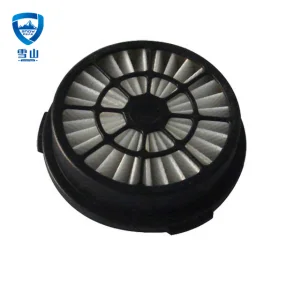
Explore our export-grade portable charcoal and HEPA replacement filters engineered for international brands, HVAC systems, and air purification equipment.





Executive Technical Overview: The Science of Portable Charcoal Air Filtration
Understanding vapor-phase contaminant removal, porous carbon dynamics, and international CE quality compliance frameworks for commercial and industrial applications.
Pore Structure & Physical Adsorption
Portable charcoal air filters rely on high surface area activated carbon matrices featuring extensive micro-porosity (<2 nm), meso-porosity (2–50 nm), and macro-porosity (>50 nm). Premium coconut-shell and virgin anthracite coals provide specific surface areas ranging from 900 to 1500 m²/g.
- Iodine Number: >1000 mg/g ensuring dense micropores.
- Carbon Tetrachloride (CTC) Adsorption: 60%–90% benchmark range.
- Van der Waals Capture: Physical trapping of volatile organic compounds (VOCs).
CE Certification & Compliance Standards
Exporting portable charcoal filters into the European Economic Area (EEA) demands compliance with stringent safety, environmental, and performance mandates under Low Voltage Directive (LVD 2014/35/EU), Electromagnetic Compatibility (EMC 2014/30/EU), and REACH chemical directives.
- ISO 16890 / EN 779: Standardized gaseous particle separation metrics.
- RoHS Directive 2011/65/EU: Non-hazardous constituent framing materials.
- Flame Retardancy: UL 900 Class 1 & Class 2 fire resistance certification.
Hybrid HEPA-Carbon Synergies
Modern air handling demands dual-stage or composite structures combining electrostatic synthetic meltblown HEPA media (H13/H14) with catalytic charcoal beds to capture sub-micron particles down to 0.3μm simultaneously with gaseous odors.
- Particulate Capture Efficiency: 99.97% to 99.995% at MPPS.
- Zero Ozone Generation: Pure mechanical filtration + chemical adsorption.
- Low Initial Resistance: Optimized pleat geometry for low energy draw.
Information Gain Benchmark: Dynamic Vapor Phase Retention
Unlike standard particulate filters, portable charcoal air filters operate via Dynamic Adsorption Kinetics. When procurement officers evaluate factories, key performance indicators extend beyond physical size to include Carbon Mass Density (g/m²), Residence Time (seconds), and Pressure Drop (ΔP in Pascals). Snow Peak Clean Technology optimizes carbon loading to guarantee up to 98% initial VOC reduction while retaining low fan load across portable HVAC enclosures.
China Factory Advantages in Portable Charcoal Air Filter Manufacturing
Why leading global brands, OEM HVAC equipment vendors, and industrial distributors partner with China-based production hubs for scalable, high-quality filtration solutions.
Raw Material Infrastructure & Upstream Aggregation
China's industrial manufacturing ecosystem offers unmatched proximity to high-grade precursor materials. Advanced chemical processing hubs in Shanxi and Ningxia supply top-tier anthracite and coconut-shell activated carbons, allowing factories in Shenzhen and Guangdong to aggregate raw carbon, non-woven backing webs, expanded metal mesh, and hot-melt adhesives within hours.
This localized supply density reduces raw material lead times by up to 60%, buffering international buyers against global shipping disruptions.
Automated Precision Machinery & Tooling Agility
Modern Chinese filter production facilities utilize high-speed continuous ultrasonic bonding lines, computerized pleat-spacing machines, and automated polyurethane gasketing systems. Custom CAD-designed injection molds for portable carbon cartridges can be engineered and sampled in as few as 7 to 10 days.
High automation guarantees high repeatability, tight frame tolerances (±0.5mm), and flawless corner seals that stop bypass air leaks.
Multi-Stage E-E-A-T Quality Control System
Top-tier exporters operate under ISO 9001:2015 Quality Management Frameworks, enforcing a rigid four-stage inspection system:
- IQC (Incoming QC): Testing carbon iodine numbers, ash content, and meltblown fabric tensile strength.
- IPQC (In-Process QC): Monitoring pleat heights, adhesive bead consistency, and hot-melt bonding temperatures.
- FQC (Finished QC): Fractional particle efficiency tests and airflow resistance verification.
- OQC (Outgoing QC): Package drop tests, barcode clarity, and container moisture control.
Flexible OEM/ODM & Export Logistics Capabilities
Located near major deep-water seaports like Shenzhen Yantian, Shekou, and Guangzhou Nansha, Chinese exporters offer seamless FOB, CIF, or DDP shipping. Flexible MOQ thresholds empower global buyers to order mixed-model containers combining replacement charcoal pads, HVAC bag filters, and cylindrical HEPA units in a single shipment.
Macro Industry Trends & Next-Generation Chemical Filtration Technologies
How technical innovations in functional catalysts, low-resistance honeycomb matrices, and sustainable bioplastics are reshaping the global portable air treatment market.
Chemically Impregnated Catalytic Carbons
Standard physical charcoal struggles to adsorb lightweight polar gases like formaldehyde, ammonia, and hydrogen sulfide. Industry leaders are shifting to chemically modified carbon beds treated with Potassium Permanganate (KMnO₄), Phosphoric Acid (H₃PO₄), or Zinc Compounds.
These impregnated matrices convert toxic gases into benign mineral salts via chemisorption, increasing target gas capacity by up to 300%.
Extruded Honeycomb Carbon Structures
Traditional loose granular carbon packs increase filter weight and induce high pressure drop across portable purifiers. Next-gen extruded carbon honeycombs utilize activated carbon powder immobilized with ceramic or polymer binders into low-resistance hexagonal channels.
This structural innovation yields exceptionally high air velocity, uniform flow distribution, and zero carbon dust shedding.
Eco-Conscious Bio-Frames & Thermal Reactivation
With ESG directives gaining traction across North America and Europe, manufacturers are transitioning away from high-carbon polystyrene (PS) framing. Instead, biodegradable PLA, recycled ABS, and lightweight corrugated beverage board are becoming the standard.
Additionally, closed-loop carbon thermal reactivation protocols are enabling industrial buyers to recycle spent carbon beds safely.
Comprehensive Localized Application Scenarios
Portable charcoal air filters serve critical purification functions across diverse commercial, industrial, residential, and specialized technical operational environments.
Hydroponics & Commercial Agriculture
In enclosed grow tents, greenhouses, and botanical processing labs, portable inline charcoal scrubbers are deployed to manage intense organic terpenes and plant volatile emissions. Charcoal filters scrub exhaust air before discharge, ensuring odor containment and compliance with municipal zoning laws.
Laser Engraving, 3D Printing & Soldering
Desktop laser cutters, SLA/FDM 3D printers, and electronics soldering benches discharge toxic fumes containing styrene, benzene, and acrolein. Compact portable charcoal extraction units draw micro-fumes directly at the source, shielding machine operators from acute chemical exposure.
Medical, Dental & Histology Laboratories
Dental clinics during monomer mixing, pathology labs utilizing formalin stains, and veterinary surgical rooms require continuous gaseous decontamination. Portable charcoal air scrubbers prevent chemical vapor accumulation, safeguarding clinic personnel under OSHA safety standards.
Industrial Weld Fume & Automotive Paint Repair
Spot painting, solvent wiping, and welding in tight spaces call for portable filtration buggies equipped with heavy-duty activated carbon canisters. These mobile units eliminate solvent vapors and heavy metal welding fumes without requiring complex rooftop ductwork installation.
Wildfire Smoke Decontamination & Restoration
Disaster restoration crews deployed to fire-damaged structures rely on high-CFM portable charcoal scrubbers to purge burnt wood odor, synthetic soot, and toxic smoke residues, accelerating home and commercial building safety clearances.
Global B2B Purchasing Decision Matrix & Specifications
A reference checklist engineered for procurement directors, OEM product managers, and supply chain managers evaluating China export factories.
| Evaluation Parameter | Commercial Grade Standard | Heavy Industrial / Medical Grade | Verification Test Method |
|---|---|---|---|
| Base Carbon Substrate | Granular Coal Activated Carbon | Virgin Coconut Shell / KMnO₄ Impregnated | ASTM D2867 / ASTM D3802 |
| Iodine Adsorption Value | 800 – 950 mg/g | 1050 – 1250 mg/g | ASTM D4607 Standard |
| Carbon Tetrachloride (CTC) | 50% – 60% | 70% – 95% | ASTM D3467 Test |
| Particulate Pre-Filter Media | G4 Non-Woven Synthetic Polyester | H13 True HEPA Meltblown Non-Woven | EN 1822 / ISO 29463 |
| Frame Construction | Corrugated Cardboard / Bio-PLA | Extruded Aluminum / Galvanized Steel | Visual & Dimensional Tolerance (±0.5mm) |
| European Compliance | CE Mark, RoHS 2.0 (10 substances) | CE, REACH SVHC Candidate List, UL 900 | Third-Party Lab (SGS, TÜV, Intertek) |
| Pressure Drop (ΔP @ 1.5 m/s) | ≤ 45 Pa | ≤ 75 Pa (High Load Capacity) | Differential Pressure Transducer Test |
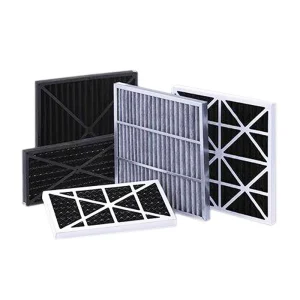
Specialized Media, Cylindrical & Replacement Charcoal Solutions
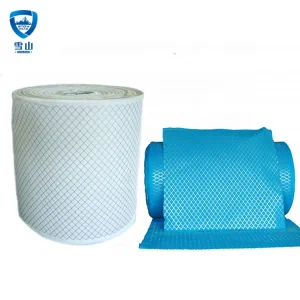
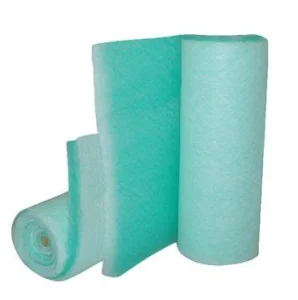
Explore our complete export line including customized VOC replacement filters, humidifier pads, and bulk filter media rolls direct from Shenzhen factories.
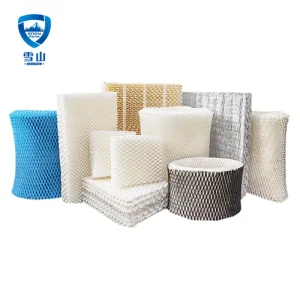
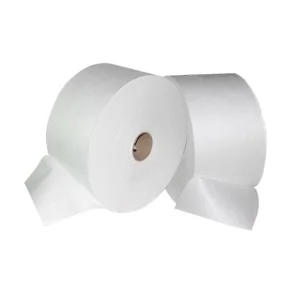

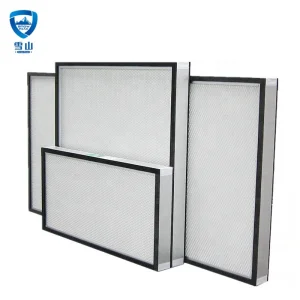
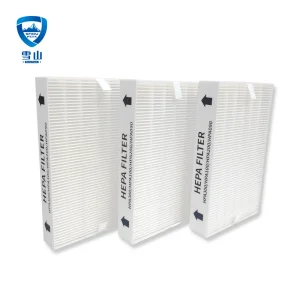

Frequently Asked Questions (FAQ) for B2B Importers
In-depth technical and commercial answers regarding CE certification, OEM capabilities, carbon lifespan, and international compliance.
What does CE Certification guarantee for portable charcoal air filter exports?
CE Certification indicates that the portable filter unit or appliance meets essential European health, safety, and environmental standards under EU Directives (including Low Voltage Directive LVD 2014/35/EU and Electromagnetic Compatibility EMC 2014/30/EU for powered portable units). For passive replacement charcoal pads, CE alignment ensures raw materials comply with REACH (EC 1907/2006) for heavy metal limits and RoHS 2.0 chemical restriction standards, guaranteeing safe indoor operation in European markets.
How do I determine the operational service life of a portable activated carbon filter?
Service life depends on three core engineering variables: Carbon Loading Weight (g), Ambient VOC Concentration (ppm), and Airflow Velocity (CFM or m³/h). Standard commercial portable charcoal filters operating in typical indoor office environments maintain optimal gas retention for 3,000 to 4,500 continuous hours (approx. 6 to 12 months). Once carbon micropores reach physical breakthrough capacity (indicated by odor recurrence or weight gain saturation), the cartridge or pad must be replaced.
Can Chinese factories manufacture custom-branded OEM replacement filters for major purifier brands?
Yes. OEM and ODM customization is a core competitive strength of China's air filtration sector. Snow Peak Clean Technology provides private-label packaging, custom frame dimensions, specific pleat counts, branded cardboard color printing, and exact structural replacements compatible with major global purifier brands (such as Honeywell, Coway, Blueair, Levoit, and GermGuardian). Note: Brand names are referenced solely for technical compatibility verification.
What is the technical difference between physical adsorption carbon and impregnated carbon?
Physical adsorption relies purely on Van der Waals forces within virgin coconut shell or coal pores to trap medium-to-large organic molecules (e.g., benzene, toluene). Impregnated carbon undergoes chemical treatment with active catalysts (such as KMnO₄, KOH, or Phosphoric Acid) to enable chemisorption. Chemisorption breaks down small, reactive polar gas molecules like formaldehyde (HCHO), ammonia (NH₃), and sulfur gases by converting them into harmless stable compounds—making impregnated filters essential for medical, lab, and fresh-renovation environments.
How does Snow Peak control carbon dust shedding in portable filter designs?
Carbon shedding can contaminate cleanroom spaces or ruin HEPA layers downstream. Snow Peak prevents carbon dust migration through multi-layer thermal encapsulation. Granular carbon is sandwiched between non-woven protective scrims or bonded into rigid polyurethane honeycomb matrix structures. Every batch undergoes vibration and air-blast chamber testing during Outgoing Quality Control (OQC) to guarantee zero particulate shedding during transport or high-fan operation.
What parameters are required when requesting a custom OEM tooling quote?
To provide an accurate technical quotation, our engineering team requires: 1. Outer Dimensions (Length × Width × Depth in mm), 2. Target Efficiency (e.g., H13 HEPA + 300g Activated Carbon), 3. Frame Material (Cardboard, Plastic ABS, Aluminum, or Foam), 4. Airflow CFM / M³/h requirements, and 5. Estimated Annual Order Volume. CAD files (.STEP or .DWG) or physical samples speed up sample turnaround to 3–5 business days.