
Featured Clean Air & Filtration Products (Part I)
High-performance HEPA, activated carbon, and specialized industrial air filtration components engineered for OEM systems and aftermarket compatibility.

China Customized top side Gel Seal liquid tank mini pleated compact Hepa Filter for Clean Room Manufacturer, Products
View Specs & Sourcing
ODM China Suppliers Factory BIBO Filter Replacement Bags - PVC Change Bags with Gloves & Elastic Cord for Safe Handling Supplier, Companies
View Specs & Sourcing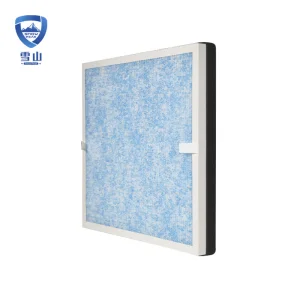
Custom Compound HEPA Filter Replacement for Air Purifiers & Vacuum Cleaners - China Suppliers & Factory Factories, Companies
View Specs & Sourcing
Wholesale High efficiency Industrial use Heat Resistant Stainless Steel frame aluminum foil separator High Temperature HEPA air filter Factories, Companies
View Specs & Sourcing
Custom High Efficiency Customized Mini-Pleated HEPA Air Filters from China Suppliers | Industrial HVAC Factory Products Manufacturer, Factory
View Specs & Sourcing
OEM China Suppliers Factory Price Customized G4 MERV 8-16 Cardboard Frame Pleated AC Furnace Air Filter for HVAC Systems Manufacturers, Companies
View Specs & Sourcing
High-Quality High Efficiency HEPA Filters for HVAC Systems - V Shape Plastic Frame from China Suppliers & Factory Suppliers, Company
View Specs & Sourcing
OEM High Efficiency Mini-Pleated HEPA Filters from China Factory - Reliable Air Filtration Suppliers Factories, Product
View Specs & Sourcing1. Executive Summary & Chemical Adsorption Mechanics
Understanding the interplay between physical particulate impaction and gaseous chemical adsorption within modern automotive cabin micro-environments.
Modern passenger cabin environments present complex air quality challenges. Vehicle occupants are directly exposed to airborne particulate matter—including diesel soot (PM2.5), road dust, brake wear micro-particles, pollen, and fungal spores—alongside gaseous pollutants such as nitrogen oxides (NOx), sulfur dioxide (SO2), volatile organic compounds (VOCs like benzene and formaldehyde), ground-level ozone (O3), and unpleasant ambient odors. Standard particulate-only cabin air filters cannot mitigate gaseous toxicity. Consequently, the automotive industry has shifted globally toward Activated Charcoal Cabin Filters (also known as active carbon cabin air filters).
Adsorption Kinetics & CTC Rate
Activated carbon utilized in premium cabin filters features CTC rates ranging from 45% to 80%+. The high CTC value correlates directly with extended retention times for aromatic hydrocarbons and low-boiling-point VOCs under dynamic HVAC volumetric airflows (up to 300 m³/h).
BET Surface Area Optimization
High-grade coconut-shell and coal-derived carbons deployed by Chinese manufacturers provide specific surface areas between 1,000 and 1,400 m²/g. This micro-porous structure facilitates physical adsorption via van der Waals forces across diverse ambient thermal gradients.
Catalytic & Chemical Impregnation
To capture inorganic gases such as ammonia (NH3), hydrogen sulfide (H2S), and acidic gases (SO2/NO2), virgin charcoal is chemically impregnated with metallic salts, citric acid, or alkaline compounds, converting hazardous gases through chemisorption.
From an OEM and Tier-1 procurement perspective, selecting China-based active carbon filter suppliers requires evaluating raw material consistency, media lamination tech (ultrasonic vs. thermal meltblowing vs. polyurethane foam gluing), pleat stability under high humidity, and edge-sealing rigidity.
2. China Supply Chain Advantages & Manufacturing Ecosystem
Analyzing the scale economies, raw material clusters, automated pleating capabilities, and quality control systems driving China's dominant market position.
China has solidified its role as the global manufacturing epicenter for automotive filtration components. The synergy between upstream raw material suppliers (non-woven synthetic substrates, active carbon granulate suppliers, hot-melt adhesive formulators) and downstream automated converting facilities enables Chinese suppliers to deliver superior cost-performance ratios without compromising quality standards.
Key Pillars of China's Activated Charcoal Cabin Filter Manufacturing Supremacy:
Vertical Raw Material Integration
Key industrial hubs in Zhejiang, Guangdong, Jiangsu, and Shandong provinces integrate synthetic meltblown non-woven production, electrostatic charging lines, and activated charcoal crushing/impregnation units within tight geographical radii, reducing freight lead times and raw material buffer costs.
Advanced Multi-Layer Lamination
Modern Chinese factories utilize multi-stage continuous lamination: a coarse pre-filter layer, an electrostatically charged meltblown HEPA/sub-micron layer, a uniform carbon particle dispersion layer (sandwich media), and a supportive non-woven backing layer bonded ultrasonically to avoid airflow-blocking adhesive glues.
Automated High-Speed Pleating
State-of-the-art blade and rotary pleating machines with precise thermal setting ensure uniform pleat distance, preventing pleat collapse under high blower fan speeds and maximizing the available filter surface area within restricted HVAC housing footprints.
3. Automotive Testing Standards & Technical Specs
Global compliance frameworks: ISO 11155-1/2, DIN 71460, and GB/T 32085 requirements for OEM qualification.
Automotive OEMs require rigorous empirical testing before approving cabin filter suppliers. Activated charcoal cabin filters must demonstrate dual performance: high initial and loading dust separation efficiency, combined with high dynamic gas retention capacity across varying relative humidity (RH) levels.
| Parameter | Standard / Test Method | Entry-Level Aftermarket | Premium OEM Grade | EV Bio-Defense Grade |
|---|---|---|---|---|
| Particulate Efficiency (0.3 µm) | ISO 11155-1 / TSI 8130A | 30% - 50% | 85% - 95% | 99.97% (H13 True HEPA) |
| n-Butane Gas Retention | ISO 11155-2 / DIN 71460-2 | > 40% (initial) | > 70% (initial) | > 85% (initial) |
| SO2 / NO2 Removal Rate | ISO 11155-2 Challenge Test | > 50% | > 80% | > 92% |
| Toluene / VOC Adsorption | GB/T 32085 / ISO 11155-2 | > 45% | > 75% | > 90% |
| Initial Pressure Drop (at 200 m³/h) | ISO 11155-1 Differential Pa | 15 - 25 Pa | 25 - 45 Pa | 50 - 85 Pa |
| Carbon Load Weight (g/m²) | Gravimetric Measurement | 150 - 250 g/m² | 300 - 500 g/m² | 550 - 800 g/m² |
| Dust Holding Capacity (DHC) | ISO A2 Fine Dust Loading | 15 - 25 g | 35 - 55 g | 60 - 90 g |
4. Layer-by-Layer Composite Filter Media Architecture
Deconstructing the sandwich structure: How physical filtration and chemical adsorption operate in series.
High-efficiency active carbon cabin air filters rely on advanced multi-layer composite media. Each layer performs a dedicated function within a total material thickness typically constrained between 1.5 mm and 3.5 mm prior to pleating.
Coarse Pre-Filter Mesh
Spunbond polypropylene non-woven capturing large particulate matter (>10µm) such as leaves, pollen, hair, and road grit, preventing premature surface clogging of fine media.
Electrostatic Meltblown
High-density meltblown fibers carrying a permanent corona electret charge. Intercepts sub-micron particulate matter (PM2.5, PM1.0) via dielectrophoretic attraction without excessive airflow resistance.
Activated Charcoal Matrix
Uniformly distributed coconut-shell or granular coal activated carbon particles bonded via hot-melt adhesive points or polyurethane foam matrices, offering vast micro-pore surface area for gas retention.
Functional Impregnation Layer
Catalytic coating containing polyphenol or metallic ion compounds designed to decompose formaldehyde, neutralize ammonia odors, and inhibit mold spore growth within damp HVAC evaporator channels.
Structural Scrim Backing
High-tenacity PET or PP spunbond scrim providing mechanical stiffness, maintaining clean pleat geometry, and preventing fiber migration into the HVAC blower motor assembly.
Coconut Shell vs. Coal-Based Charcoal
Coconut Shell Carbon: Superior microporosity (< 2nm), higher hardness, lower ash content, higher iodine value (>1100 mg/g). Optimal for volatile organic compounds, formaldehyde, and fine odor adsorption.
Coal-Based Carbon: Higher proportion of mesopores (2–50nm), cost-effective, excellent for capturing larger organic molecules and heavy industrial exhaust gases.
Adhesive Lamination Innovations
Traditional liquid glue lamination risks blinding carbon pores, reducing active adsorption area by up to 35%. Leading Chinese suppliers utilize scatter-coating hot-melt web lamination and ultrasonic point bonding, maintaining 90%+ carbon surface exposure while guaranteeing structural integrity against delamination under humid operating conditions.
Anti-Microbial & Anti-Allergen Enhancements
Next-generation charcoal cabin filters integrate natural plant polyphenols, silver-zinc ions, or organic quaternary ammonium salts into the structural substrate. This inhibits bacterial colonization (E. coli, S. aureus) and denatures airborne allergens (dust mite proteins, ragweed pollen) trapped on the filter surface.
5. Localized Operating Environments & Industry Scenarios
Tailoring filter specifications to regional climate challenges, vehicle types, and duty cycles.
A single cabin filter design cannot effectively service all global markets. Sourcing managers must align filter specifications with specific localized environmental conditions and vehicle deployment platforms.
Electric Vehicles (EV) & Smart Cockpits
Electric vehicles prioritize quiet cabin acoustics and ultra-clean air as brand differentiators (e.g., "Bioweapon Defense Modes"). EV cabin filters utilize thick, multi-stage HEPA + high-weight charcoal composites (400-600 g/m² carbon) combined with low-noise pressure drop geometries to maximize battery range efficiency while maintaining air purity.
Heavy Mining & Agricultural Machinery
Operator cabs in open-pit mining, forestry, and agricultural chemical spraying demand specialized heavy-duty active carbon filters compliant with EN 15695-2 Category 4. These filters require heavy carbon loading (up to 1,000 g/m²) and reinforced polyurethane frames to protect operators from toxic pesticide vapors and silica dust.
Urban Commercial Fleets & Rideshares
Taxis, delivery vans, and rideshare vehicles operate continuously in congested city centers with elevated stop-and-go diesel exhaust concentrations. Fleets require high-dust-holding capacity (DHC) filters with catalytic SO2/NO2 breakdown layers to prevent driver fatigue caused by prolonged nitrogen dioxide exposure.
6. Future Trends & Innovation Vectors (2025–2030)
Key technological transformations reshaping the global automotive cabin filtration industry.
The automotive cabin air filtration sector is undergoing rapid innovation driven by smart sensor integration, sustainable raw materials, and stringent cabin air quality (IAQ) regulations.
1. Dynamic Catalytic Decomposition
Transitioning from pure physical adsorption (which saturates over time) toward continuous cold catalyst and room-temperature formaldehyde decomposition. Impregnated manganese oxide (MnO2) and precious metal micro-particles break down formaldehyde (HCHO) into water and CO2, eliminating secondary odor desorbing when vehicles park in hot sunlight.
2. Recycled & Bio-Based Substrates
With global OEMs targeting carbon neutrality, Chinese manufacturers are pioneering cabin filter media produced from recycled post-consumer PET bottle flakes (rPET) and bio-derived polylactic acid (PLA) non-wovens, bonded with water-based eco-adhesives to lower scope 3 supply chain carbon footprints.
3. Smart Sensor-Linked Filtration
Integration of RFID tags and particulate/gas micro-sensors directly within the filter frame. Communication with vehicle HVAC software enables real-time monitoring of filter differential pressure and carbon saturation levels, transitioning maintenance from fixed mileage schedules to predictive condition-based replacement.
7. B2B Supplier Qualification & Factory Audit Checklist
A structured framework for international procurement managers evaluating Chinese cabin filter manufacturers.
To mitigate sourcing risks, international buyers should conduct thorough technical audits of potential Chinese supply partners. The checklist below outlines critical parameters for validating factory capabilities:
Quality Management Certification
Verify valid IATF 16949 certification (essential for OEM/Tier-1) along with ISO 9001 and ISO 14001 environmental management standards.
In-House Testing Laboratory
Ensure the facility operates calibrated TSI 8130A automated filter testers, gas challenge rigs compliant with ISO 11155-2, and environmental test chambers (humidity/thermal cycling).
Raw Material Traceability
Audit incoming material inspections (IQC) for carbon batch CTC values, non-woven electret retention, and adhesive chemical safety (REACH & RoHS compliance).
Tooling & Cleanroom Precision
Assess automated frame injection molding capabilities, cleanroom assembly zones for high-efficiency filters, and robotic polyurethane gasket dispensing machinery.
Packaging & Private Labeling
Confirm custom retail box printing, moisture-proof polybag sealing, barcode serialization, and pallet packaging engineered for transoceanic container shipping.
8. Frequently Asked Questions (FAQ) for Global Buyers
Technical, logistical, and commercial inquiries addressed by senior SEO growth directors and filtration engineers.
What is the difference between a standard pollen cabin filter and an activated charcoal cabin filter?
A standard pollen cabin filter consists solely of non-woven particle media designed to capture solid particulates like dust, pollen, and road debris via mechanical sieving and electrostatic attraction. An activated charcoal cabin filter integrates an active carbon layer that provides porous adsorption channels. This carbon layer physically traps and chemically neutralizes toxic gases (SO2, NO2, ozone), volatile organic compounds (benzene, toluene), and foul odors that pass unhindered through standard particle filters.
How do Chinese suppliers ensure activated carbon particles do not detach or shed into the vehicle HVAC unit?
Leading Chinese manufacturers employ high-precision hot-melt adhesive webbing, bicomponent binder fibers, or polyurethane matrix lamination to securely lock carbon granules in place. Additionally, a continuous PET or PP non-woven scrim layer covers both sides of the carbon bed, functioning as a particle barrier that prevents fiber or carbon dust migration under continuous high-velocity HVAC blower airflow.
Which test standards are used to verify cabin air filter performance?
Global standards include ISO 11155-1 (particulate filtration efficiency across particle sizes from 0.3 to 10 microns and initial pressure drop), ISO 11155-2 (gaseous adsorption efficiency for n-butane, SO2, NO2, and toluene), DIN 71460 (European automotive benchmark), and Chinese national standard GB/T 32085. For heavy machinery cabs, EN 15695-2 Category 4 standards apply.
What parameters affect the service life of an activated charcoal cabin filter?
Service life is influenced by total carbon mass (g/m²), CTC value, ambient pollution levels, operating humidity, and cumulative airflow volume. In typical passenger car operations, charcoal cabin filters maintain high gas adsorption for 12,000 to 15,000 kilometers (or 12 months). In heavily polluted urban centers or high-humidity regions, replacement intervals may shorten to 8,000–10,000 kilometers as carbon pore saturation occurs.
Can Chinese manufacturers provide OEM/ODM customization for specific vehicle models and private label packaging?
Yes. Chinese suppliers offer complete OEM/ODM solutions, including reverse engineering from OE samples, custom 3D CAD frame mold creation, specific carbon weight loading (150–600 g/m²), custom anti-microbial coatings, and complete private label retail packaging (custom color boxes, serialized barcodes, inner foil sealing, and master cartons).
How does high relative humidity affect activated charcoal filter performance?
High relative humidity (>80% RH) can cause water vapor molecules to compete with VOCs and non-polar gas molecules for micropore adsorption sites within virgin charcoal. To counter this, advanced Chinese manufacturers apply hydrophobic chemical treatments or specialized surface-modified carbon granulate that repels water vapor while preserving gas adsorption efficiency under damp conditions.
Featured Clean Air & Filtration Products (Part II)
Complete your sourcing portfolio with our extended product range including filter media rolls, activated carbon fabrics, and specialized replacement filters.

China China Pocket Air Filter Media G4 M5 M6 F7 F8 F9 - High-Quality Bag Filter Roll Media from Reliable Suppliers & Factory Suppliers, Exporter
View Specs & Sourcing
OEM Honeywell HRF-R3 HEPA R Replacement Filter: Compatible with HPA300 Series, HPA304, HPA3300 Air Purifiers Factories, Product
View Specs & Sourcing
China High purification efficiency antibacterial HEPA air filter Factories, Companies
View Specs & Sourcing
High-Quality China Pocket Air Filter Media G4 M5 M6 F7 F8 F9 - Suppliers and Factory for Efficient Filtration Solutions Manufacturers, Companies
View Specs & Sourcing
Custom Honeycomb type Activated Carbon filter for odor and harmful gas removal filter Suppliers, Exporters
View Specs & Sourcing
ODM China Suppliers - Efficient Sandwich Activated Carbon Fabric Air Filters from Factory for Odor and Particle Removal Suppliers, Products
View Specs & Sourcing
High-Quality China Factory Suppliers Customized G4 MERV 8 Pleated AC Furnace Air Filters for HVAC Systems - Cardboard Frame Manufacturers, Supplier
View Specs & Sourcing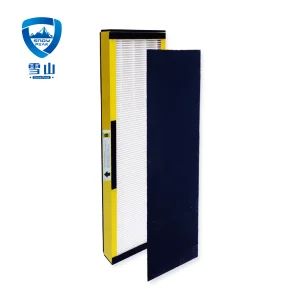
CE Certification H13 True HEPA Filter FLT4825 Replacement for Guardian Air Purifier - China Suppliers and Factory Certified Supplier, Products
View Specs & SourcingPartner with a Certified China Activated Charcoal Cabin Filter Manufacturer
Connect with our engineering and procurement team for custom specifications, technical data sheets, PPAP documentation, and competitive B2B factory pricing.
Request OEM Technical Consultation