
Featured Dual-Stage & Industrial Air Filtration Solutions
Directly sourced from premier Chinese manufacturing lines meeting ISO 29463, EN 1822, and ASHRAE 52.2 global performance thresholds.
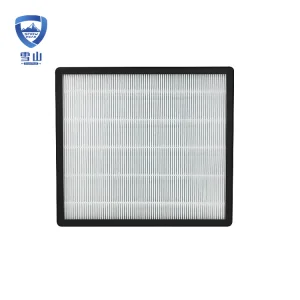

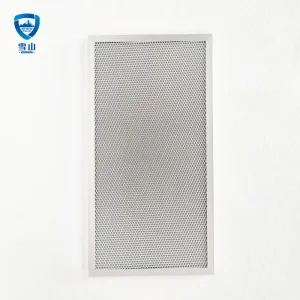

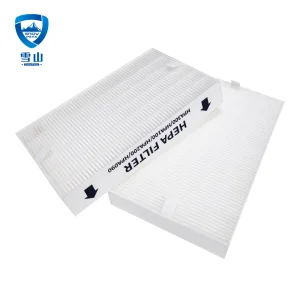



The Engineering Fundamentals of HEPA & Carbon Combination Filtration
Understanding the fluid dynamics, aerosol mechanics, and physisorption kinetics that govern modern dual-action cleanroom and HVAC filter units.
MPPS Mechanics & Sub-Micron Filtration
High-Efficiency Particulate Air (HEPA) media relies on meltblown polypropylene or microfiber glass matrices. Filtration operates across four distinct physical capture mechanisms: Impaction (>1.0 µm), Interception (0.3–1.0 µm), Diffusion (<0.1 µm via Brownian motion), and Electrostatic Attraction. The Most Penetrating Particle Size (MPPS) typically lies between 0.12 µm and 0.25 µm, which defines strict H13/H14 classification under ISO 29463.
Carbon CTC Rating & Pore Network Kinetics
Gas-phase filtration is governed by activated carbon's micro-porous geometry. Evaluated via Carbon Tetrachloride (CTC) adsorption ratios (ranging from 40% to 105%), raw coconut shell or coal-based carbons undergo thermal steam activation to form ultra-high surface area networks (800–1,300 m²/g). This enables effective physical van der Waals trapping of volatile organic compounds (VOCs), formaldehyde, benzene, and odor-bearing gases.
Integrated Dual-Stage Synergy
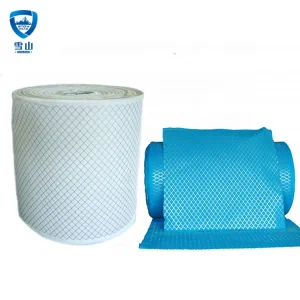
Combining HEPA media with impregnated carbon layers solves the trade-off between pressure drop and multi-pollutant removal. Advanced Chinese OEM factories utilize hot-melt dot matrix lamination or sandwich composite fabric, ensuring that granular carbon granules remain anchored without releasing carbon fines into the downstream particulate stream, maintaining lower initial resistance (Pa).
Global Commercial & Industrial Demand Vectors
Across semiconductor cleanrooms, biopharmaceutical containment, building HVAC upgrades, and smart home air purifiers, dual-stage filtration is now a foundational requirement.
1. Semiconductor Cleanrooms & Microelectronics Fabs
Modern photolithography and wafer processing require ISO Class 1 to Class 5 cleanrooms. Outgassing of airborne molecular contaminants (AMCs)—such as siloxanes, organophosphates, and acidic vapors—can ruin yield rates. Cleanroom installations deploy deep-pleated Gel-Seal HEPA/ULPA filters lined with chemically modified carbon media to simultaneously capture sub-micron particulates and adsorb trace gaseous corrosive elements.
2. Biopharmaceutical & Containment Laboratories
Biosafety Level (BSL-3/BSL-4) facilities, compounding pharmacies, and containment isolators utilize high-efficiency antibacterial HEPA systems paired with specialized gas phase filters. Bag-In/Bag-Out (BIBO) housings incorporate stainless-steel framed HEPA filters capable of withstanding formaldehyde neutralization and vaporized hydrogen peroxide (VHP) sterilization cycles.
3. Commercial Building HVAC & Urban IAQ Standards
With updated WELL Building Standards and ASHRAE recommendations, commercial real estate developers are replacing single-stage G4 pre-filters with combination MERV 13 to MERV 16 pleated filters containing wire-mesh laminated activated carbon. These units remove outdoor traffic pollution (NOx, SO2, diesel particulates) while keeping HVAC blower energy intake low.
4. OEM Consumer Air Purifiers & Smart Appliances
The global residential air purifier market demands tight-tolerance replacement cartridges compatible with major global brands (e.g., Honeywell, Coway, Levoit, Blueair). OEM buyers require precision injection-molded or EVA foam-sealed composite rings and multi-layer cylindrical filters with integrated RFID tracking capabilities.
Traditional activated carbon suffers from thermal desorption and finite VOC saturation limits. Leading Chinese air filter manufacturing clusters are now integrating Cold Catalyst and Honeycomb Photocatalyst (TiO2) Media. These media break down toxic gases like formaldehyde into water (H2O) and carbon dioxide (CO2) at ambient temperatures, extending effective filter service life by up to 250% compared to physical adsorption alone.
The Sourcing Advantage of Chinese HEPA & Carbon Factories
How localized material supply clusters, automated high-speed pleating, and rigorous ISO quality control frameworks provide unmatched scale and cost efficiency.
Vertical Supply Chain Integration
Chinese manufacturing hubs in Guangdong and Zhejiang bring raw synthetic media extrusion, meltblown corona charging, activated carbon pyrolysis, metal stamping, and frame molding under single regional clusters. This eliminates multi-tier shipping markups and guarantees rapid sample prototyping within 48 to 72 hours.
High-Precision Robotics & Auto-Pleating
Modern factory floors deploy computer-controlled blade and rotary pleating lines, automated hot-melt glue bead dispensing, and robotic frame assembly. This automation guarantees consistent pleat pitch geometry, preventing airflow restriction caused by pleat grouping or media blinding.
Four-Stage Quality Control Protocol
Tier-1 manufacturers operate rigorous quality assurance workflows: IQC (Incoming Quality Control for fiber gsm and carbon CTC), IPQC (In-Process inspection of pleat height and glue integrity), FQC (Finished Goods 100% laser particle counter testing for leakage), and OQC (Outbound container inspection).
Technical Standard Comparison Matrix: Filter Media & Performance Grades
Specification benchmarks used by OEM procurement engineers when requesting custom factory quotes.
| Filter Grade / Type | Efficiency Class (EN 1822 / ISO 29463) | Target Particle Size / Gas Phase | Carbon Impregnation Type | Typical Application Field |
|---|---|---|---|---|
| Primary Synthetic Mesh | ISO Coarse 60% – 85% (G3–G4) | >10 µm (Dust, Hair, Lint) | None (Pre-filter layer) | HVAC AHUs, Purifier Stage 1 |
| Fine Pocket Bag Filter | ISO ePM1 55% – 85% (F7–F9) | 1.0 – 3.0 µm (Fine Smoke, Smog) | Optional Carbon Felt Layer | Commercial HVAC, Data Centers |
| Composite H13 True HEPA | HEPA H13 (≥99.95% MPPS) | 0.3 µm (Bacteria, PM2.5, Allergens) | Sandwich Carbon Fabric | Residential Purifiers, Medical IAQ |
| ULPA U15 Cleanroom Grade | ULPA U15 (≥99.9995% MPPS) | 0.12 µm (Sub-micron Viruses) | Chemical Honeycomb Media | Semiconductor Fabs, Microelectronics |
| High-Temp Separator HEPA | H13 – H14 (Stainless Frame) | 0.3 µm at up to 250°C–350°C | Specialized Metal Matrix | Pharma Depyrogenation Tunnels |
Target Application Scenarios & Tailored Engineering Integrations
Optimizing frame materials, sealant compounds, and media geometries based on deployment environment requirements.
Automotive Interior Cabin IAQ
Cabin air filters require high structural rigidity under intense blower pressure. Chinese factories engineer meltblown-carbon composite pleats reinforced with synthetic wire mesh or non-woven backings, preventing pleat collapse while adsorbing exhaust fumes (benzene, toluene) and road dust.
Data Center Corrosion Abatement
Server blades and copper contacts corrode when exposed to acidic sulfur gases. Custom-built V-bank or deep-bed activated carbon filters are installed in fresh air intake systems to neutralize gaseous pollutants, maintaining lower fan power consumption via optimized channel airflow.
Hospital Operating Rooms & Isolation Wards
Medical environments require zero-bypass filtration. Factories utilize polyurethane (PU) foam gaskets or fluid-tank gel seal mechanisms combined with antibacterial copper-zinc ion treated HEPA media to eliminate bio-aerosol leakage risk along the filter frame boundaries.
Global Buyer's Procurement Checklist for China Factory Audits
Key technical parameters procurement officers should evaluate during factory audits and product RFQ evaluations.
1. Verification of Test Equipment & Calibration
Ensure the manufacturer owns automated laser particle counters (e.g., TSI 8130 or TOPAS AFS 150) capable of measuring penetration efficiency down to 0.1 µm. Request batch test reports validating MPPS efficiency under ISO 29463 standards rather than relying on uncalibrated third-party datasheets.
2. Frame Sealant & Structural Integrity Inspection
Inspect the frame joining chemistry: whether aluminum, galvannealed steel, ABS plastic, or moisture-resistant beverage board. Check that polyurethane potting compounds fully encapsulate the pleat pack edges to avoid pinhole bypass leaks during high-static-pressure operation.
3. Carbon Loading Density & Dust Holding Capacity (DHC)
A common issue in cheap filters is low carbon mass leading to rapid VOC breakthrough. Verify the actual weight of activated carbon per square meter (g/m²) and evaluate the Dust Holding Capacity (DHC) test curve to project real-world maintenance intervals.
4. Custom Tooling & Private Label Packaging Capabilities
For OEM brands selling replacement filters on global marketplaces, confirm the factory provides custom injection mold creation, barcoding, drop-test compliant retail packaging, and RFID chip insertion for automatic purifier recognition.
Future Trends in HEPA & Carbon Manufacturing Technology
Innovations shaping the next generation of energy-efficient, sustainable air purification filters.
Bio-Based Non-Wovens
Development of polylactic acid (PLA) and biodegradable synthetic fibers to lower the environmental footprint of discarded single-use HVAC and air purifier filter cartridges.
Nanofiber Electrospinning
Ultra-thin polymer nanofibers layered over standard substrates create physical sieving action with minimal pressure drop, drastically outperforming traditional electrostatically charged media that lose efficiency over time due to humidity exposure.
Smart Sensor Integration
Embedding micro-pressure differential sensors and RFID operational hour tracking directly into filter frames to optimize replacement schedules in smart commercial HVAC automation systems.
Specialized Carbon Media & Cleanroom Industrial Lineup
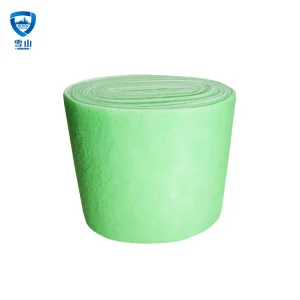
Explore our full line of raw media rolls, gel seal HEPA boxes, and primary metallic air filters engineered for global distribution.




Frequently Asked Questions (Technical & Procurement FAQ)
Direct answers to technical queries raised by OEM buyers, HVAC engineers, and supply chain managers.