
Featured OEM Activated Carbon & HEPA Product Solutions
Explore our high-performance air filter media, replacement cartridges, and custom activated charcoal modules crafted for demanding global OEM/ODM specifications.

ODM High Efficiency Round Replacement HEPA Air Filter
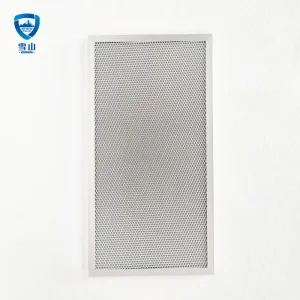
Aluminum Honeycomb Photocatalyst & Carbon Filter Media

ODM Washable Nylon Mesh Coarse Pre-Air Filter

Honeycomb Activated Carbon Filter for Odor & Gas Removal

Custom Humidifier Wick Filter & Evaporative Cooling Pad

OEM Customized High Efficiency H13 True HEPA Filter

Activated Carbon Media with Wire Mesh for Pleated Filters

G4 / M5 Pre-Medium Efficiency Spray Booth Filter Media
Engineering Modern Gas-Phase Filtration: The Science of Custom Activated Charcoal Air Filters
In modern industrial manufacturing, indoor climate management, and cleanroom environmental control, the removal of airborne gaseous contaminants is just as critical as particulate filtration. Fine dust particles (PM2.5, PM10) are captured by mechanical fibers via interception, impaction, and diffusion. However, volatile organic compounds (VOCs), acidic or basic vapors, industrial odorous gases, molecular toxic species, and ozone pass effortlessly through standard particulate HEPA matrices. This necessitates high-capacity gas-phase adsorption technology powered by customized activated charcoal air filters.
1. The Physico-Chemical Mechanism of Activated Charcoal Adsorption
Activated charcoal (or activated carbon) is a non-graphitic carbonaceous sorbent produced through high-temperature carbonization followed by chemical or thermal steam activation. This process creates an ultra-porous microscopic network with an extraordinarily high internal surface area—typically ranging from 900 m²/g to over 1500 m²/g.
Gas phase capture on custom activated charcoal operates through two primary scientific phenomena:
- Physical Adsorption (Physisorption): Driven by weak Van der Waals molecular attraction forces. Gaseous molecules with higher molecular weights, higher boiling points, and non-polar structures (such as benzene, toluene, xylene, long-chain hydrocarbons, and solvent vapors) condense inside micro-pores (pores under 2 nm) and mesopores (pores between 2 nm and 50 nm).
- Chemical Adsorption (Chemisorption via Impregnation): Low molecular weight, highly volatile, or polar molecules (such as formaldehyde, ammonia, hydrogen sulfide, sulfur dioxide, and low-boiling amines) display weak physical binding. To eliminate these compounds, the charcoal media is chemically impregnated with target catalysts or reagents (e.g., Potassium Hydroxide KOH, Potassium Permanganate KMnO4, Phosphoric Acid H3PO4, or Iodide salts). Chemisorption converts toxic gases into stable, non-volatile solid inorganic salts trapped permanently within the filter matrix.
Virgin Coconut Shell Carbon
Boasts the highest proportion of micro-pores (<2nm). Exceptional for capturing light VOCs, odors, and molecular contaminants with superior hardness and low dust emission.
Coal-Based Activated Carbon
Exhibits a balanced distribution of meso- and micro-pores. Cost-effective for high-volume HVAC systems, industrial paint booths, and heavy-duty organic vapor control.
Target Impregnated Formulations
Engineered chemical treatments specifically tailored to neutralize acid gases (SO2, H2S), alkaline gases (NH3), and aldehydes (HCHO) via irreversible chemisorption pathways.
2. Structural Architectures for Custom OEM Air Filters
Selecting the proper substrate architecture is essential to balance gas removal efficiency with system pressure drop (ΔP) and airflow rates (CFM):
- Honeycomb Carbon Filters: Utilizing rigid aluminum, paper, or plastic honeycomb structures filled with activated charcoal granules. This structural arrangement yields ultra-low air resistance while providing maximum surface contact area for rapid flow rates in residential and commercial purifiers.
- Carbon-Impregnated Non-Woven Media: Non-woven synthetic matrix coated or loaded with micro-fine activated carbon powder. Excellent for folding into mini-pleated configurations, offering dual-function filtration: particulate filtration (up to MERV 13 / ePM1 60%) alongside baseline odor control.
- Granular Carbon Deep-Bed / V-Bank Cells: Packed beds or heavy-duty V-bank modules containing loose or extruded carbon pellets (3mm / 4mm). Designed for heavy industrial applications, wastewater treatment facilities, and airport HVAC systems where long breakthrough retention times are mandatory.
- Photocatalytic & Carbon Composites: Combining activated carbon with Titanium Dioxide (TiO2) coatings or cold catalyst layers, allowing simultaneous physical adsorption and UV/ambient oxidation breakdown of formaldehyde and airborne VOCs.
Technical Engineering Specifications Matrix
Comprehensive comparative parameters across customized activated charcoal filter structural types to assist OEM procurement engineers and HVAC specifiers.
| Filter Structural Type | Carbon Base Material | CTC Value (%) | BET Surface Area | Target Contaminants | Initial Pressure Drop | Typical Applications |
|---|---|---|---|---|---|---|
| Aluminum Honeycomb Carbon | Coconut Shell / Coal | 60% – 85% | 1000 – 1200 m²/g | Odor, TVOCs, Smoke | Ultra-Low (15–35 Pa) | Home Purifiers, Commercial HVAC |
| Impregnated Honeycomb | Modified Chemisorb Carbon | 70% – 90% | 1100 – 1350 m²/g | HCHO, H2S, NH3, Mercaptans | Low (20–45 Pa) | New Building IAQ, Renovation Control |
| Pleated Carbon Composite | Meltblown Non-woven + Carbon | 50% – 70% | 850 – 1050 m²/g | PM2.5 + Light Odors & Ozone | Medium (45–85 Pa) | Cabin Air, Compact AHU Units |
| V-Bank Heavy-Duty Module | Pelletized Coal / Shell Carbon | 60% – 80% | 950 – 1150 m²/g | Heavy Industrial Solvents, VOCs | High Residence (75–150 Pa) | Chemical Plants, Data Centers, Airports |
| Photocatalyst Carbon Net | Nano-TiO2 + Charcoal | 55% – 75% | 900 – 1100 m²/g | Bacteria, Formaldehyde, Benzene | Ultra-Low (12–30 Pa) | Medical Clean Air, Premium Purifiers |
Localized Application Scenarios & Sector-Specific Use Cases
How customized activated charcoal filters solve complex environmental and compliance challenges across diverse industry sectors worldwide.
1. Semiconductor & Electronics AMC Control
In wafer fabrication cleanrooms, Airborne Molecular Contamination (AMC) even at parts-per-billion (ppb) levels can ruin microchip yield. Custom acid/alkaline impregnated carbon filters remove gaseous dopants, organosilicon compounds, and corrosive gases before air enters clean benches.
2. Automotive & Transit Cabin Air Systems
Modern electric vehicles and luxury automobiles incorporate multi-stage cabin filters containing synthetic pleated carbon layers. These modules absorb traffic exhaust fumes, ground-level ozone (O3), nitrogen oxides (NOx), and agricultural smells, delivering fresh interior air under high airflow conditions.
3. Medical Facilities, Hospices & Laboratories
Hospitals, pathology labs, and IVF centers generate airborne odors from anesthetics, formalin, disinfectants, and bio-effluents. Customized catalytic activated carbon panels eliminate toxic chemical smells while preserving sterile airborne environments.
4. Data Centers & Control Rooms (ISA-71.04 Compliance)
Server circuit boards are susceptible to micro-chemical corrosion caused by sulfur compounds (H2S, SO2). Deep-bed carbon adsorption systems scrub ambient outdoor make-up air to guarantee ANSI/ISA-71.04 G1 (Mild) environmental protection for mission-critical IT infrastructure.
5. Smart Home Purifier OEM Replacement Market
Providing precision aftermarket and private-label replacement filters compatible with leading global brand purifiers (Honeywell, Coway, Blueair, Levoit, GermGuardian). Features precision dimensions, frame sealing gaskets, and customizable carbon loading ratios.
6. Commercial Kitchens & Industrial Odor Control
Exhaust systems from commercial frying, coffee roasting, cannabis processing, and wastewater lifting stations utilize heavy-duty granular carbon V-bank modules to eradicate stubborn organic odors prior to atmospheric discharge.
China Factory Supply Chain Resilience, Vertical Integration & Cost Efficiency
In today's dynamic global market, procurement managers demand more than just technical performance—they require a robust, flexible, and cost-resilient supply chain partner. Situated in China's advanced manufacturing cluster in the Greater Bay Area (Shenzhen / Guangdong), our factory leverages unparalleled industrial integration to deliver competitive advantages for OEM/ODM clients worldwide.
Direct Raw Material Sourcing
Direct partnerships with premium coconut-shell charcoal activation kilns ensure consistent raw material quality, high CTC metrics, minimal ash content, and stable pricing unaffected by middleman markups.
Automated Precision Production
Our facility houses high-speed automated honeycomb filling machines, ultrasonic continuous pleating lines, robotic polyurethane gasket dispensing, and laser-guided sizing tools to achieve tight dimensional tolerances.
Agile Rapid Prototyping
Accelerate your product launch timeline. Our dedicated sample workshop can turn around custom CAD designs, physical prototypes, and lab test reports in as little as 3 to 7 business days.
Port-Adjacent Logistics Hub
Located near Shenzhen and Guangzhou deep-water ports, offering rapid ocean, air, and express freight dispatch. Seamless customs compliance and flexible incoterms (FOB, CIF, DDP, DAP).
Rigorous Quality Assurance Architecture: IQC to OQC
Quality is the bedrock of global brand trust. Every custom activated charcoal filter manufactured in our factory undergoes a multi-tier quality control protocol:
- IQC (Incoming Quality Control): Testing raw carbon media for particle size distribution, moisture content, ash percentage, hardness, and Carbon Tetrachloride (CTC) or Iodine value according to ASTM D3467 / GB/T 7702 standards.
- IPQC (In-Process Quality Control): Automated vision systems inspect frame squareness, adhesive bead continuity, pleat spacing consistency, and honeycomb cell fill density during mass assembly.
- FQC & OQC (Final & Outgoing Quality Assurance): Spot-testing finished lots for initial resistance, breakthrough times, structural integrity under high airflow velocities, and drop-test packaging resilience.
Technical Roadmap & Future Outlook for Gas-Phase Air Filtration
As global environmental regulations tighten and consumer awareness of Indoor Air Quality (IAQ) deepens, activated charcoal filtration technology is undergoing rapid material innovation. Our engineering team is at the forefront of combining fundamental materials science with smart manufacturing.
1. MOF-Carbon Hybrids
Metal-Organic Frameworks (MOFs) engineered onto activated charcoal matrices create ultra-selective adsorption sites. This breakthrough drastically increases targeted capture capacities for hazardous gases like ammonia (NH3) and nitrogen dioxide (NO2) by up to 300% compared to standard charcoal.
2. Room-Temperature Catalytic Carbon
Transitioning from pure physical storage to non-consumable catalytic oxidation. Advanced platinum, palladium, or manganese-based catalysts bonded to charcoal pores continuously break down formaldehyde (HCHO) into water (H2O) and carbon dioxide (CO2) at ambient temperatures, eliminating filter saturation risks.
3. IoT & Sensor Integrated Filters
Incorporating RFID tags, differential pressure sensors, and TVOC smart indicators directly into custom filter frames. This enables predictive maintenance, real-time saturation tracking, and automated filter replacement alerts for smart HVAC systems.
4. Sustainable & Bio-Charcoal Media
Developing zero-carbon bio-charcoal derived from agricultural waste streams (walnut shells, bamboo, agricultural biomass) activated via eco-friendly thermal pathways to support corporate ESG sustainability goals.
Global Compliance Standards & Localized Buyer Support
Ensuring full regulatory alignment for seamless international import, retail distribution, and industrial integration across North America, Europe, and Asia-Pacific.
ISO 16890 & ASHRAE 52.2
Full testing alignment with international air filter performance metrics, classifying particulate and gas-phase performance under standardized ePM1, ePM2.5, ePM10, and MERV ratings.
UL 900 Flammability Rating
Custom activated charcoal filter assemblies fabricated with flame-retardant synthetic frames, UL-compliant hot-melt adhesives, and fire-resistant media to pass strict municipal building codes.
RoHS & REACH Compliance
All filter materials, bonding agents, plastic frames, and chemical impregnations undergo chemical testing to confirm zero presence of hazardous substances or SVHC restricted chemicals under EU law.
Private Label & Custom Packaging
Comprehensive B2B branding services including customized barcode printing, multi-lingual retail boxes, polybag vacuum sealing, and drop-shipping logistics for e-commerce and OEM partners.
Frequently Asked Questions (FAQ) — B2B Procurement Guide
In-depth answers to common technical and commercial questions raised by importers, HVAC engineers, and OEM brand partners.
1. What is the difference between physical adsorption carbon and chemically impregnated carbon?
2. How do I determine the right CTC (Carbon Tetrachloride) rating for my filter design?
3. Can custom activated charcoal filters be combined into a single HEPA module?
4. What is the expected service lifespan of an activated charcoal air filter?
5. What frame materials are available for custom activated charcoal filters?
6. What is your minimum order quantity (MOQ) and sample lead time for custom OEM orders?
7. How does temperature and humidity affect activated charcoal performance?
8. Are your replacement filters manufactured by the original brand purifiers?
Complete Filter Roll Media & Industrial Replacement Showcase
Explore our extended series of raw filter rolls, paint-stop media, antibacterial HEPA panels, and custom humidifier wicks for global manufacturing lines.
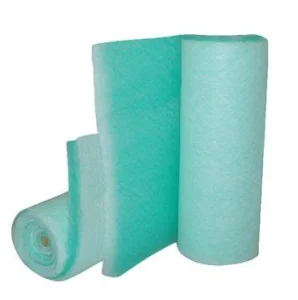
G2 G3 G4 Fiberglass Paint Stop Floor Filter Roll

99.97% Antibacterial True HEPA Air Filter Module

Polyester Laminated Wire Mesh Roll for G3/G4 Pleated Filters

G2 G3 G4 Green & White Synthetic Fiber Air Filter Media

High Absorbent Non-Woven Humidifier Filter Media Pad

CE Certified Activated Carbon Fabric Air Filter Roll
Customized Evaporative Humidifier Wick Filter Elements
High Efficiency OEM Purifier & Vacuum HEPA Replacement
Partner with a Premier Custom Activated Charcoal Filter Manufacturer
Whether you require private-label replacement filters, custom honeycomb carbon media, or heavy-duty industrial gas-phase filtration, our engineering team is ready to deliver.