
High-Efficiency Commercial & Industrial Filtration Units
Engineered for low pressure drop, high chemical VOC hold capacity, and rigorous compliance with global air handling standards.

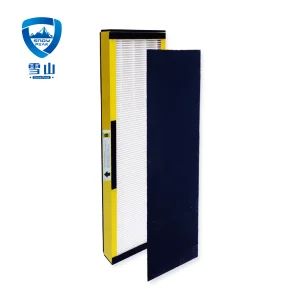
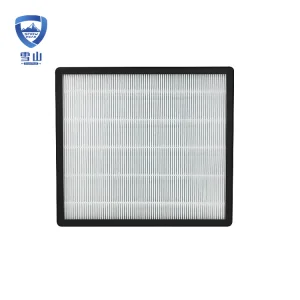
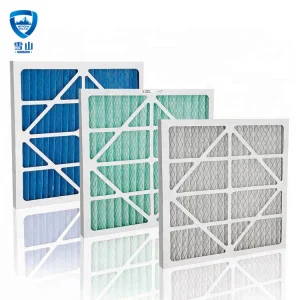



1. Fundamentals of Gas-Phase Adsorption in AC Carbon Filters
Understanding physical pore structure dynamics, micro-porosity distribution, and chemical functionalization for effective airborne pollutant control.
In modern heating, ventilation, and air conditioning (HVAC) systems, as well as standalone commercial air purifiers, mechanical particulate filtration (such as HEPA or MERV-rated fibrous media) is fundamentally insufficient for capturing airborne molecular contaminants (AMCs), volatile organic compounds (VOCs), hazardous chemical vapors, and persistent environmental odors. High-performance gas-phase air filtration relies primarily on Activated Charcoal (Activated Carbon) Air Filters.
The Adsorption Mechanism: Physical (Physisorption) vs. Chemical (Chemisorption)
Activated carbon is a highly porous carbonaceous material manufactured from precursor sources rich in carbon content—predominantly virgin coconut shells, high-grade anthracite coal, or wood biomass. The material undergoes controlled pyrolysis followed by high-temperature thermal or chemical activation (using steam or carbon dioxide at 800°C–1000°C). This process creates an intricate internal matrix of microscopic pores, yielding an enormous specific surface area ranging from 800 m²/g to over 1,500 m²/g.
Adsorption within activated charcoal AC filters proceeds via two distinct thermodynamic processes:
- Physical Adsorption (Physisorption): Driven by weak intermolecular physical forces (van der Waals forces). Gas molecules entering the pore structure are trapped on the carbon surface without altering their chemical identity. Physisorption is reversible and works exceptionally well for high molecular weight VOCs, solvents, toluene, benzene, and long-chain hydrocarbons.
- Chemical Adsorption (Chemisorption): When targeted light gases—such as formaldehyde (HCHO), hydrogen sulfide (H₂S), ammonia (NH₃), sulfur dioxide (SO₂), or nitrogen oxides (NOₓ)—possess low molecular weights and weak van der Waals interactions, virgin activated carbon exhibits low retention capacity. To solve this, China's leading carbon filter manufacturers utilize chemical impregnation. Carbon is infused with active catalysts or chemical reagents (such as Potassium Permanganate KMnO₄, Potassium Hydroxide KOH, or Phosphoric Acid H₃PO₄) that react chemically with target gases, converting them into non-volatile inorganic salts.
Micro-Pore Dynamics (<2nm)
Micro-pores account for over 90% of the total internal surface area. They provide the fundamental physical trapping zone for small volatile molecules, ensuring high breakthrough resistance in ambient AC airflow.
CTC & Iodine Value Metrics
Carbon Tetrachloride (CTC) value (typically 40%–80%) measures gas-phase porosity, while Iodine Number (800–1200 mg/g) quantifies small-molecule adsorption capacity—critical benchmark indicators for B2B filter quality assessment.
Impregnated Matrix Engineering
Custom chemical impregnations transform virgin carbon into targeted multi-gas scrubbers capable of neutralizing corrosive acidic gases in industrial data centers and cleanroom environments.
2. China Factory Advantages in Activated Charcoal AC Filter Production
Why Tier-1 global air purifier OEMs and HVAC contractors source custom carbon filtration components from specialized Chinese manufacturers.
China has established itself as the dominant global epicenter for air filtration technology, manufacturing, and supply chain consolidation. Factories based in manufacturing hubs like Shenzhen and the Pearl River Delta offer unparalleled structural advantages across four crucial operational domains:
A. Raw Material Integration and Vertical Supply Chains
Chinese factories sit directly downstream of extensive raw material networks producing premium coconut shell carbon, synthetic non-woven polyester media, and structural framing alloys. This geographic and economic proximity allows OEMs to source high-CTC activated carbon granules and meltblown filter media at significantly lower logistics costs, passing these margin savings directly to international procurement partners.
B. Advanced Automated Pleating and Bonding Technologies
Modern China carbon filter suppliers have evolved far beyond manual assembly lines. Leading automated facilities utilize high-speed robotic pleating lines, ultrasonic welding systems, and precise hot-melt adhesive dispensing equipment. Technologies such as Carbon-on-Nonwoven (CoN) and Foam-Bonded Carbon Granules ensure uniform granule distribution, preventing carbon settling, bypass channels, and high initial air resistance.
C. Comprehensive Quality Assurance Frameworks (E-E-A-T Reliability)
Top-tier China factories operate certified ISO 9001 quality management systems alongside ISO 14001 environmental management frameworks. Products undergo standardized testing protocols strictly aligned with international criteria:
- ASHRAE 52.2 & ISO 16890: Standardizing fractional efficiency and initial airflow pressure drop across MERV 8 to MERV 16 spectrums.
- EN 779 & EN 1822: Validating coarse, medium, and HEPA particulate filtration efficiencies (G3 to H13/H14).
- RoHS & REACH Compliance: Guaranteeing that all adhesives, plastics, synthetic backings, and carbon impregnations are entirely free of hazardous heavy metals, phthalates, and banned substances.
3. Next-Generation Trends in Gas-Phase Filtration
Key technological shifts reshaping activated charcoal air filters from passive odor absorbers into active, smart, bio-based environmental purification systems.
Catalytic Carbon Oxidation
Transitioning from traditional physical adsorption to active room-temperature catalysis. Catalytic carbon permanently decomposes dangerous indoor contaminants like formaldehyde into harmless H₂O and CO₂, completely eliminating secondary desorption hazards when AC systems are idle.
Low-Resistance Carbon Composites
Engineered mini-pleat sandwich structures fuse micro-fine activated carbon dust onto electrostatically charged meltblown synthetic fibers. This achieves MERV 13 particulate capture alongside high TVOC clearance at up to 30% lower static pressure drop.
Sustainable & Bio-Based Substrates
With global sustainability ESG mandates tightening, manufacturers are developing fully recyclable bio-char carbon matrices derived from renewable agriculture waste, encased in bio-degradable cardboard or unbleached kraft paper frames.
4. Cross-Industry Macro Solutions & Deployment Scenarios
Customized gas-phase air purification architectures tailored for diverse environmental, industrial, and commercial operational requirements.
Activated charcoal AC filters are customized across diverse engineering specifications based on targeted airflow speeds, temperature constraints, humidity levels, and specific chemical contaminant profiles:
A. Commercial Buildings & Smart HVAC Systems
Modern commercial office towers, airports, and luxury hospitality venues prioritize high Indoor Environmental Quality (IEQ) alongside energy performance. Integrating MERV 13 / G4 pleated carbon filters into primary Air Handling Units (AHUs) removes urban traffic smog (NO₂, SO₂), volatile organic compounds off-gassed by interior furnishings, and outdoor odor surges, preventing Sick Building Syndrome (SBS) while maintaining optimal fan motor efficiency.
B. Data Centers & Server Infrastructure Protection
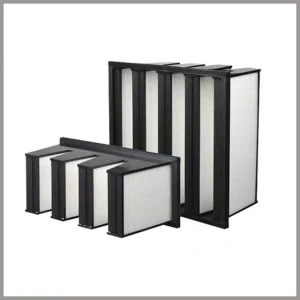
Micro-corrosion caused by airborne sulfur compounds (H₂S, SO₂) and chlorine gas poses a severe operational threat to circuit boards and data storage hardware in mission-critical facilities. Industrial V-bank activated carbon filters compliant with ISA-71.04 Environmental Conditions for Process Measurement and Control Systems provide continuous gas scrubbing, maintaining strict G1 (Mild) reactivity levels.
C. Semiconductor Cleanrooms & Healthcare Facilities
In semiconductor fabrication and pharmaceutical manufacturing, Airborne Molecular Contamination (AMC) can jeopardize wafer yields and compromise drug purity. High-efficiency Gel-Seal HEPA filters integrated with gas-phase carbon beds eliminate sub-ppb chemical vapors, bio-aerosols, and sterilant residues.
D. Automotive Cabin & High-Speed Rail HVAC
Vehicle passenger cabins demand high-capacity, space-saving air treatment. Compact multi-layer carbon composite filters capture diesel exhaust fumes, fine dust PM2.5, and seasonal pollen, protecting passenger respiratory health under high-frequency door-opening cycles.
| Filter Media Type | Primary Target Contaminants | Typical Pressure Drop (Pa) | Typical Service Life | Optimal Application Scenario |
|---|---|---|---|---|
| Standard Carbon Foam Pre-Filter | Coarse Dust, Hair, Heavy Odors | 15 – 35 Pa | 1 – 3 Months | Residential Purifiers, HVAC Pre-stage |
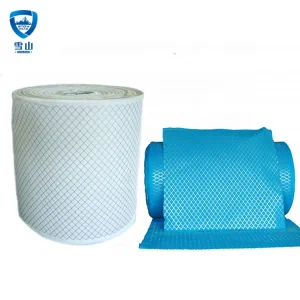
| Pleated Carbon-on-Nonwoven Media | PM2.5, Light VOCs, Gasoline Fumes | 45 – 85 Pa | 3 – 6 Months | Commercial AHU, Automotive Cabins |
| Granular Carbon Deep-Bed V-Bank | High TVOCs, Industrial Solvents | 100 – 160 Pa | 6 – 12 Months | Airports, Data Centers, Chemical Plants |
| Impregnated Catalytic Carbon Matrix | Formaldehyde, H₂S, Acid Gases, NH₃ | 110 – 180 Pa | 12 – 18 Months | Cleanrooms, Hospitals, Laboratories |
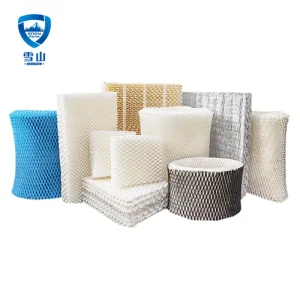
OEM/ODM Replacement Filters & Raw Filter Media Materials
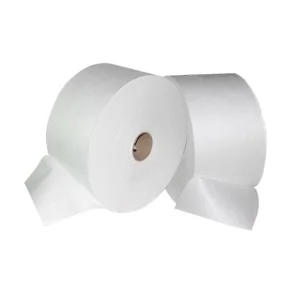
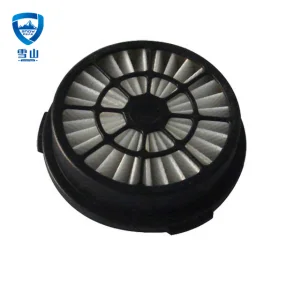
Customizable filter replacement sets, pocket bag media, and high-tech meltblown rolls for international brand partners.


5. Global B2B Procurement & OEM Customization Guidelines
A step-by-step technical standard for evaluating prospective carbon filter manufacturers, establishing strict tolerances, and ensuring cost-optimized volume logistics.
Procuring activated charcoal AC filters at scale requires global sourcing directors to balance technical parameters, material specifications, and regulatory compliance. When partnering with a China factory, procurement managers should enforce the following standard evaluation steps:
1. Dimension & Frame Tolerance Specifications
Ensure the supplier adheres to tight dimensional tolerances (typically ±1.0 mm for length/width and ±0.5 mm for depth). Frameworks must be selected based on structural application environment:
- Moisture-Resistant Cardboard (Beverage Board): Cost-effective, ideal for high-volume residential aftermarket air purifiers and light commercial HVAC.
- Extruded Aluminum & Galvanized Steel: Heavy-duty rigidity required for high-humidity HVAC systems, V-Bank industrial scrubbers, and cleanroom housings.
- Injection-Molded ABS / Plastic Frames: Ideal for round or complex custom-shaped filters requiring tight rubber gasket seals.
2. Gasket Sealing Integrity
Air bypass completely undermines carbon filter performance. Require seamless continuous-polyurethane foam gaskets or closed-cell EVA neoprene seals along all mounting flanges to guarantee zero-leakage insertion.
3. Packaging and Logistics Protection
Activated carbon is susceptible to premature ambient gas saturation if stored in non-sealed packaging. Professional China exporters must shrink-wrap each finished filter unit in airtight polyethylene (PE) bags, accompanied by desiccant pouches, before master carton packing.
Technical & Sourcing Q&A
Expert engineering answers to critical operational questions regarding activated charcoal air filter selection, performance monitoring, and factory OEM collaboration.