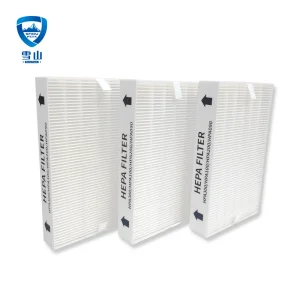
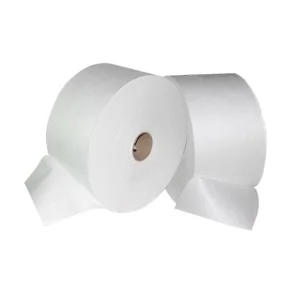
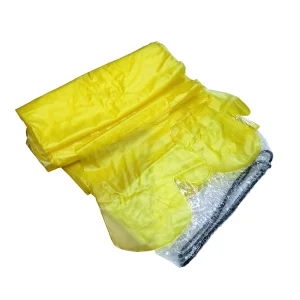
Featured High-Performance Air Filtration & Framing Solutions
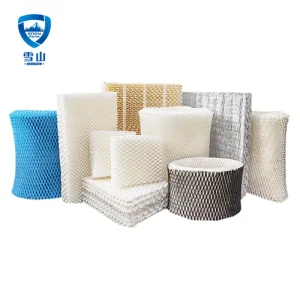
Explore our industrial-grade HEPA frames, composite filter assemblies, and custom filtration media manufactured under stringent ISO 9001 and ISO 14001 quality controls.
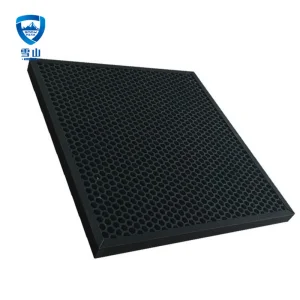





Executive Technical Report: The Critical Role of Structural HEPA Filter Frames
Analyzing Structural Integrity, Leak Detection Mechanics, Materiality Selection, and Zero-Bypass Architectures in Critical Air Filtration Systems
In high-grade air purification environments—spanning semiconductor fabrication, biopharmaceutical processing facilities, isolation wards, and aerospace cleanrooms—a High-Efficiency Particulate Air (HEPA) filter is only as reliable as its outer supporting frame. While filter media (such as wet-laid borosilicate glass fiber or expanded PTFE membranes) dictates particle capture kinetics down to 0.3 μm or 0.1 μm with 99.97% to 99.9995% efficiency, the HEPA filter frame forms the structural backbone that ensures zero air bypass across the entire system envelope.
As leading High-Quality HEPA Filter Frame Suppliers & Service specialists, our engineering protocol addresses the complex physics of air leakage, flexural rigidity, corrosion mitigation, and environmental seal aging. This whitepaper serves as an exhaustive guide for technical procurement teams, cleanroom architects, HVAC engineers, and original equipment manufacturers (OEMs) seeking to optimize filtration longevity and total cost of ownership (TCO).
1. Frame Material Engineering: Comparative Technical Analysis
Selecting the optimal frame profile material requires balancing structural load requirements, resistance to chemical sterilizers (such as Vaporized Hydrogen Peroxide - VHP), flammability ratings, and weight dynamics. Below is a engineering evaluation matrix comparing primary frame materials employed in modern industrial HEPA filter production:
| Material Type | Tensile Strength (MPa) | VHP Chemical Resistance | Thermal Expansion (10⁻⁶/K) | Typical Industrial Application |
|---|---|---|---|---|
| Extruded Anodized Aluminum 6063-T5 | 200 - 240 | Excellent | 23.4 | Standard Cleanroom Ceiling Grid, FFU, Mini-Pleat Systems |
| Stainless Steel 304 / 316L | 515 - 620 | Superior (Pharma Grade) | 16.5 | Bio-Containment, BIBO Housings, High-Humidity Cleanrooms |
| Galvanized Sheet Steel (DX51D+Z) | 270 - 500 | Moderate | 12.0 | Commercial HVAC Systems, Deep-Pleat Air Handlers (AHUs) |
| Flame-Retardant ABS Polymer | 40 - 55 | Good | 70.0 | Compact OEM Purifiers, Medical Portable Air Scrubbers |
Extruded anodized aluminum remains the industry benchmark for mini-pleat HEPA filters due to its lightweight profile, precise geometric tolerances (within ±0.15mm), and resistance to surface oxidation. Conversely, stainless steel 316L is non-negotiable in sterile pharmaceutical aseptic filling suites where continuous exposure to aggressive peracetic acid and VHP decontamination protocols would degrade lesser metals.
Macro-Industry Solutions & Enterprise Deployment
Engineered frame architectures customized for stringent operating environments, dynamic airflow patterns, and compliance requirements.
Semiconductor & Photolithography
Utilizes knife-edge liquid gel seal aluminum frames that interface seamlessly with cleanroom ceiling grid channels. Eliminates micro-vibrations and guarantees zero airborne molecular contamination (AMC) outgassing when paired with ePTFE media.
Biopharmaceutical & Sterile Processing
Constructed with continuous TIG-welded Stainless Steel 316L frames featuring rounded internal corners to prevent microbial accumulation. Fully compatible with automated CIP/SIP washdowns and toxic Bag-In/Bag-Out (BIBO) safety containment containment systems.
Commercial HVAC & Smart Infrastructure
Heavy-gauge galvanized steel box frames designed for high dust-holding capacity deep-pleat filter configurations. Optimized for low differential pressure drop (ΔP), contributing to reduced building fan energy consumption and LEED certification points.
2. Advanced Sealing Technologies: Preventing Perimeter Bypass
A high-efficiency filter media rated at 99.99% efficiency is functionally compromised if even 0.01% of dirty air bypasses the perimeter frame seal. Leakage around the frame boundary is the single primary source of cleanroom contamination spikes. Our supply services deliver three distinct structural sealing modalities tailored to application risk levels:
A. Endless Polyurethane Foam Gasket (Seamless In-Situ Pouring)
Using computerized CNC two-component polyurethane foaming systems, continuous gasket beads are poured directly onto the anodized aluminum or steel frame flange. The automated cross-linking process creates a soft, closed-cell elastomer with superior elastic memory recovery (>95% recovery after 50% compression). This eliminates manual joint overlaps or corner butt seams that typically crack over time.
B. Fluid Gel Seal (Silicone / Polyurethane Gel Channel)
For ceiling grid systems utilizing knife-edge structural flanges, the HEPA frame features a continuous perimeter channel pre-filled with a self-healing, non-flowing gel. As the knife-edge penetrates the gel, a perfectly airtight hermetic seal is created without mechanical clamping pressure. This eliminates frame warping risks while enabling rapid filter replacement cycles in microelectronics facilities.
C. High-Temperature Mechanical Clamping Seals
For high-temperature processing ovens (e.g., depyrogenation tunnels in pharmaceutical vial manufacturing), frames are fabricated from 304/316L stainless steel and sealed with woven fiberglass or high-purity silicone cordage capable of resisting continuous thermal exposure up to 250°C - 350°C without degassing organic volatile compounds.
China Factory 4.0: Supply Chain Resilience & Manufacturing Precision
How state-of-the-art automated manufacturing, rigorous 4-tier QC inspection, and strategic port proximity deliver unbeatable lead times and cost efficiency to global buyers.
Automated CNC Profile Extrusion & Laser Cutting
Our Shenzhen production facility utilizes high-speed automated fiber laser cutters and precision CNC profile corner-locking machinery. Dimensional tolerances are held within ±0.1mm, ensuring flawless fitment into standardize ceiling grids and OEM air handler slots.
Class 10,000 Cleanroom Assembly
Critical HEPA and ULPA filter frame potting, media pleating, and gel-dispensing occur inside controlled Class 10,000 (ISO Class 7) cleanroom environments. This prevents ambient dust deposition onto the media pack prior to final hermetic packaging.
4-Tier Zero-Defect Quality Assurance (IQC → OQC)
Every single frame assembly passes through IQC (Incoming Raw Material Quality Control), IPQC (In-Process Quality Control during CNC extrusion and potting), FQC (Finished Product Scanning via EN 1822 Oil Mist Leak Testing), and OQC (Outgoing Quality Control for export packaging protection).
Technology Roadmap & Future Outlook (2025–2030)
As smart manufacturing, net-zero carbon mandates, and ultra-clean environments evolve, HEPA filter frame engineering is undergoing significant technological transitions. Our R&D department is pioneering four key innovations that define the next generation of air filtration structural design:
1. Smart IoT-Integrated Frame Profiles
Embedding micro-electronic differential pressure sensors and RFID tracking chips directly into the extruded aluminum frame channel. These "Smart Frames" continuously transmit pressure drop (ΔP) and operating hour data to building management systems (BMS), alerting maintenance engineers to filter loading saturation before bypass or fan strain occurs.
2. Ultra-Low VOC Bio-Polymer Frame Composites
To reduce scope 3 carbon footprint, we are developing bio-based composite frames that replace traditional petroleum-derived plastics. These new materials deliver equal tensile strength while meeting stringent outgassing tests required by semiconductor lithography (AMC Class A-E standards).
3. Recyclable Modular Snap-Lock Frame Architectures
Transitioning from permanently glued frame-media units to modular snap-lock framing systems. This allows industrial clients to safely dismount and replace spent media packs while retaining and re-sterilizing the outer heavy-duty aluminum or stainless steel frame, reducing operational waste by over 45%.
4. Nanocoated Antimicrobial Outer Sealants
Integrating non-leaching silver-zinc ion nanocoatings into polyurethane gasket formulations to inhibit microbial growth, mold sporation, and biofilm development along frame edges in humid tropical HVAC environments.
Localization Support & Global Compliance Assurance
Navigating cross-border procurement requires absolute certainty regarding international standards compliance, engineering documentation, and local logistics support. We provide end-to-end global enterprise assistance to ensure seamless system integration:
- International Certification Compliance: All filter frame assemblies and complete HEPA units conform to EN 1822-1:2019, ISO 29463, ASHRAE 52.2, UL 900 (Flammability), and RoHS/REACH directives.
- Custom CAD & BIM Integration: Our engineering office provides 3D STEP, DWG, and Revit BIM models within 24 hours of inquiry, enabling mechanical contractors to integrate exact frame dimensions into building blueprints.
- OEM / ODM Private Label Packaging: Fully customized retail or industrial export packaging, including custom laser-engraved frame branding, barcode tracking, and drop-tested protective crating for sea/air transport.
- Fast-Track Prototyping: Rapid 48-hour sample fabrication for custom non-standard frame sizes to accelerate your engineering validation cycle.
Enterprise Technical Procurement FAQ (Q&A)
Clear, definitive answers to complex engineering questions surrounding HEPA frame selection, sealing choices, and manufacturing capabilities.
Complete Replacement & OEM Filter Catalog
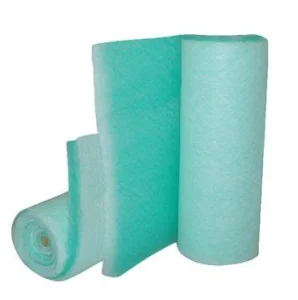
Explore compatible replacement filter assemblies, pocket filter rolls, and custom containment accessories engineered for global brand replacements.