
Featured ODM Air Filtration Media & Units (Part I)
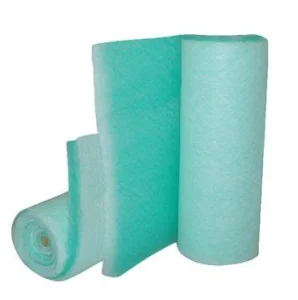
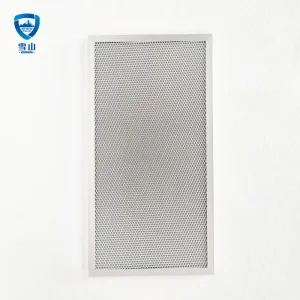
Explore our certified manufacturing output covering pre-filtration rolls, humidifier wicks, HEPA sets, and coarse nylon screens engineered for OEM applications.






Executive Summary: Global Landscape of Hypoallergenic Air Filtration
Analyzing the convergence of epidemiological shifts, tightening IAQ mandates, and advanced material manufacturing in original design manufacturing (ODM).
Global Epidemiological Burden
According to the World Allergy Organization (WAO), respiratory allergies affect between 20% and 40% of the global population. Rising urbanization, industrial particulate emissions (PM2.5 and PM0.1), and micro-environmental triggers such as dust mite allergens (Der p 1/Der f 1), pollen grains, fungal spores, and pet dander have elevated hypoallergenic air filters from secondary luxury components to essential healthcare-adjacent infrastructure.
Regulatory Imperatives (ASHRAE & EN Standards)
Global regulatory bodies have mandated stricter indoor air quality standards. The transition from legacy MERV ratings to ASHRAE 52.2-2017 and ISO 16890 standards demands that OEM/ODM manufacturers demonstrate verified fractional efficiency across sub-micron particle ranges (e1: 0.3 to 1.0 μm). Hypoallergenic engineering requires high capture efficiency without severe pressure drop trade-offs.
Shift to Chemical-Free Mitigation
Modern consumers and enterprise procurement teams reject antimicrobial chemical treatments that outgas volatile organic compounds (VOCs). The industry focus has decisively shifted toward inert physical filtration, biocompatible synthetic polymers, electrostatically charged meltblown media, and binder-free thermal bonding methods.
Information Gain Insight: Unlike standard HEPA filters designed solely for dust suppression, genuine hypoallergenic air filtration media must maintain structural stability under fluctuating ambient humidity (RH 30%–85%), eliminate organic outgassing (chemical binders), and avoid secondary allergen release during air surge dynamics.
Technical Architecture: Substrate Engineering & Filtration Efficiency
In-depth technical breakdown of meltblown electret fiber technology, non-woven composites, and zero-outgassing structural frames.
1. Corona Electret Meltblown Polypropylene (PP) Media
Our ODM facility utilizes high-precision extrusion tooling paired with dual-stage corona electret charging units. By injecting stable dipoles into ultra-fine polypropylene microfibers (fiber diameter between 1.0 and 3.5 μm), the filter substrate achieves high electrostatic retention for PM0.3 particles without increasing physical air flow resistance. This ensures high clean air delivery rates (CADR) alongside exceptionally low energy consumption in HVAC fans and portable purifiers.
2. Multi-Layer Composite Substrates (Pre-Filter + Core HEPA + Carbon)
Hypoallergenic performance relies on progressive layer design. A coarse, thermally bonded polyester (PET) or nylon pre-filter captures large airborne detritus (>10 μm) like pet fur and heavy dust. The central layer consists of H13/H14 grade mini-pleated electret media, while the downstream layer integrates honeycomb-based activated carbon or modified cold-catalyst foam to neutralize gaseous VOCs, formaldehyde, and pet odors.
| Filter Class / Grade | Target Allergen Particle Size | Fractional Efficiency Standard | Initial Resistance (at 5.33 cm/s) | Typical ODM Application |
|---|---|---|---|---|
| G4 / MERV 8 | Pollens, coarse dust, lint (> 10.0 μm) | E3 < 20%, Coarse arrestance > 90% | < 25 Pa | HVAC Pre-filtration, Air Conditioner Intake Screen |
| M6 - F8 / MERV 11-14 | Mold spores, dust mite debris (1.0 - 3.0 μm) | e1: 35% - 75% (ISO 16890) | 45 - 85 Pa | Residential Air Purifiers, Commercial Buildings |
| True HEPA H13 | Fine PM2.5, pet dander, tobacco smoke (0.3 μm) | ≥ 99.97% at MPPS (EN 1822) | 110 - 160 Pa | Medical-grade Allergy Purifiers, Infant Care Rooms |
| ULPA U15 | Sub-micron bioaerosols, viruses (≤ 0.12 μm) | ≥ 99.999% at MPPS | 180 - 240 Pa | Hospital Cleanrooms, Isolation Units, Labs |
Localized Application Scenarios & Regional Solutions
Customizing filter geometry, pleat density, and sealing gaskets for distinct regional market demands and HVAC system architectures.
North American Residential Aftermarket
Replacement filter cartridges designed for top-tier purifier models (e.g., Honeywell, Coway, Levoit). Focus is placed on exact dimensional compatibility, foam sealing gaskets to prevent air bypass, and custom retail packaging compliant with Amazon FBA and big-box store standards.
European Green HVAC Systems (EPBD Compliance)
Low-pressure-drop pocket and panel filters optimized for energy consumption targets specified in the EU Energy Performance of Buildings Directive. Synthetic non-woven pocket filters (M5 to F9) maintain airflow in central air conditioning setups across schools, offices, and care centers.
Automotive Cabin Air Quality (ISO 11155)
Multi-stage cabin air filters combining meltblown HEPA media with modified activated carbon and anti-allergen polyphenolic layers. Designed to protect vehicle occupants from roadside diesel exhaust, seasonal ragweed, and micro-fine road dust.
Medical & Industrial Cleanrooms (APAC Market)
Aluminum frame deep-pleat and mini-pleat HEPA/ULPA filters certified under EN 1822. Built for semiconductor fabrication lines, pharmaceutical cleanrooms, and medical isolation facilities across the Asia-Pacific region.
Precision Factory Metrics & Operational Scale
Quantifying our manufacturing footprint, quality control compliance, and global export infrastructure.
Technology Roadmap & Future Outlook (2025–2030)
Pioneering bio-based filtration polymers, electrospun nanofiber arrays, and smart embedded sensors for real-time filter life prediction.
Phase 1: Electrospun Nanofiber Membranes
Moving beyond conventional meltblown media, our R&D pipeline incorporates electrospun polymer nanofibers (diameter 50–200 nm). These ultra-thin membranes form a surface-loading filter mesh that captures PM0.1 bioaerosols with half the static pressure loss of standard fiberglass HEPA, revolutionizing energy efficiency in air purifiers.
Phase 2: Bio-Based Biodegradable Substrates
Addressing environmental landfill concerns of synthetic filters, our engineers are co-developing polylactic acid (PLA) and cellulose nanofibril (CNF) non-woven media. These biodegradable hypoallergenic filters provide high mechanical filtration efficiency while degrading naturally under industrial composting conditions.
Phase 3: Smart RFID & Sensor Integration
Next-generation ODM products feature printed conductive ink traces and RFID chips embedded directly into the filter housing frame. This enables smart purifiers to measure optical pressure differentials and active chemical degradation, providing users with true filter replacement notifications based on real usage rather than fixed timer intervals.
End-to-End ODM Manufacturing Capabilities
From custom pleat geometry design and hot-melt glue dispensing to automated leakage testing and private-label retail packaging.
1. Precision Tooling & Mold CAD
Custom plastic injection frame tooling (ABS, HIPS, PP) or high-strength cardboard/aluminum framing. Rapid 3D printing of sample frames in 48 hours for fit testing on original appliance chassis.
2. Computer-Controlled Pleating
High-speed knife and rotary pleating machines adjust pleat pitch, depth (from 8 mm to 290 mm), and pleat count automatically, ensuring uniform airflow distribution and maximum media surface area utilization.
3. Automated Polyurethane (PU) Gasketing
Continuous robotic PU foam dispensing applies seamless air-sealing gaskets along frame borders, preventing air bypass in high-static-pressure HVAC environments.
4. Full Quality Traceability & Logistics
Every production batch undergoes TSI 8130 automated oil/NaCl aerosol testing. Products are barcoded, shrink-wrapped, and packed in reinforced export cartons for global ocean or air freight.
Featured ODM Air Filtration Media & Units (Part II)
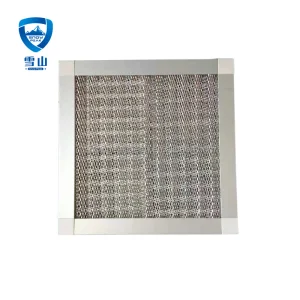
Explore specialized activated carbon elements, antimicrobial HEPA replacement cartridges, cylindrical collectors, and metal mesh pre-filters.






Frequently Asked Questions (Engineering & B2B Purchasing)
Expert answers addressing ODM customization, testing compliance, minimum order quantities, and material biocompatibility.