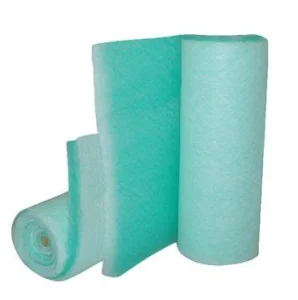
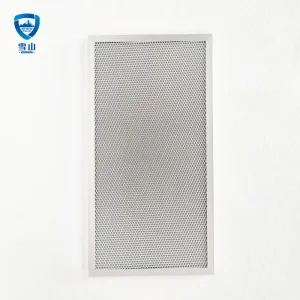
Featured OEM Air Filtration & CO2 Scrubbing Products
Explore our high-efficiency replacement modules, industrial HEPA systems, and specialized media rolls.



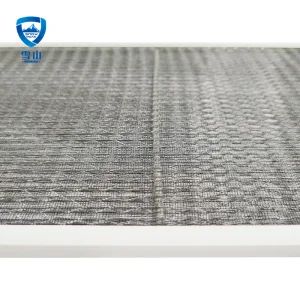


1. Executive Technical Summary & Global Industrial Landscape of Carbon Dioxide Air Filters
Carbon dioxide (CO2) capture and ambient scrubbers represent a critical frontier in environmental control, precision manufacturing, and cleanroom atmospheric engineering. Unlike conventional physical particulate filters (such as standard ISO 16890 ePM1 or HEPA filters rated under EN 1822) which target solid and liquid aerosols via impaction, interception, and diffusion, Carbon Dioxide Air Filters operate using chemisorption and physisorption dynamics. They are specifically engineered to capture gaseous CO2 molecules (44.01 g/mol molar mass) present in ambient concentrations ranging from 400 ppm to over 5,000 ppm in enclosed industrial spaces.
The global demand for specialized CO2 filtration has escalated rapidly across four primary industrial vectors:
- Commercial HVAC & Smart Building Management (LEED/WELL Standards): Managing indoor CO2 levels below 800 ppm to prevent cognitive decline and fatigue without increasing outside fresh-air intake, thereby saving up to 40% in HVAC thermal energy consumption.
- Controlled Environment Agriculture (CEA): Regulating precise atmospheric gas ratios in commercial greenhouses, indoor vertical farms, and hydroponic facilities to optimize photosynthetic efficiency.
- Semiconductor Cleanrooms & Battery Gigafactories: Eliminating micro-environmental CO2 ingress that reacts with chemical precursors, moisture, or lithium compounds (preventing lithium carbonate buildup during cell assembly).
- Direct Air Capture (DAC) & Industrial Decarbonization: Modular, scalable CO2 filter cartridges serving as the front-end capture medium for large-scale carbon capture and utilization (CCU) plants.
2. Materials Science & Engineering Mechanics of CO2 Filtration Media
Achieving high selectivity for CO2 over nitrogen (N2) and oxygen (O2) requires sophisticated chemical surface functionalization. OEM manufacturers utilize multi-layered composite architectures to combine gaseous adsorption with particulate filtration within a single physical housing.
Amine-Functionalized Solid Sorbents
Polyethylenimine (PEI) and tetraethylenepentamine (TEPA) are covalently grafted onto mesoporous silica or synthetic polymer supports. The chemical reaction forms carbamate species under dry conditions and bicarbonate species under humid conditions:
2RNH2 + CO2 ⇌ RNHCOO⁻ + RNH3⁺
This chemisorption mechanism ensures high uptake even at ultra-low partial pressures of CO2 (400-1,000 ppm ambient air).
Alkali-Impregnated Activated Carbons
High-surface-area (BET > 1,200 m²/g) coconut shell carbon substrates are impregnated with potassium carbonate (K2CO3) or sodium hydroxide (NaOH). This cost-effective media offers exceptional breakthrough capacity for high-concentration industrial recirculating systems.
Technical Performance Matrix: OEM CO2 Filter Media Comparison
| Media Class | Active Chemical Agent | CO2 Capacity (at 400 ppm) | Regeneration Temp | Pressure Drop Rating | Primary Industrial Use Case |
|---|---|---|---|---|---|
| Class A: Polyamine Mesh | PEI-Grafted Silica Fiber | 3.2 – 4.8 mmol/g | 70°C – 95°C | Very Low (< 35 Pa) | Commercial HVAC & Direct Air Capture |
| Class B: Impregnated Carbon | K2CO3 / Coconut Shell | 1.5 – 2.5 mmol/g | Non-regenerable (Disposable) | Medium (60 – 120 Pa) | Enclosed Shelter & Gas Mask Filters |
| Class C: MOF Hybrid Matrix | Zeolitic Imidazolate (ZIF-8) | 5.0 – 7.2 mmol/g | 100°C – 130°C | Low-Medium (40 – 75 Pa) | Semiconductor Cleanroom Gas Scrubbers |
| Class D: Composite Dual-Layer | Amine + True H13 HEPA | 2.8 – 4.0 mmol/g | 80°C (Air Only) | Standard HEPA (< 180 Pa) | Bio-Incubators & Medical Isolation |
3. China Manufacturing Supremacy: Scale, Efficiency, & OEM Supply Chain Dynamics
China has established an unassailable ecosystem for air filter design, raw material synthesis, and high-speed automated manufacturing. For global procurement directors, partnering with a qualified Chinese OEM manufacturer provides distinct structural advantages:
1. Vertical Material Integration
From synthetic non-woven substrate extrusion and meltblown electrostatic media to bulk chemical synthesis of polyamines, Chinese production hubs maintain localized access to all primary feedstocks. This reduces material lead times by up to 65% compared to European or North American facilities.
2. Precision Pleating & Robotic Tooling
Advanced hot-melt bead separator pleating machines ensure ultra-uniform pleat spacing across mini-pleat, deep-pleat, and V-bank filter geometries. Robotic polyurethane (PU) gasket dispensing guarantees zero-bypass seal integrity under continuous operation.
3. Rigorous Quality Compliance
Leading Chinese OEM factories operate certified testing rigs compliant with ISO 16890, ASHRAE 52.2, and EN 1822 standards. Quality control incorporates four discrete stages: IQC (Raw Sorbents), IPQC (Pleat & Frame Integrity), FQC (Leak Detection), and OQC (Package & Moisture Containment).
4. Localized Industrial Application Scenarios
Deploying OEM CO2 air filters requires aligning mechanical frame configurations, media chemistry, and airflow kinetics with specific operational environments:
A. Commercial HVAC & Green Building Optimization
In high-density office towers, school auditoriums, and airport terminals, human respiration elevates CO2 levels rapidly. Standard fresh air ventilation consumes massive electrical energy for heating, cooling, and dehumidification. Installing recirculating V-bank CO2 filter cartridges strips carbon dioxide continuously, allowing building operators to reduce outdoor air intake while complying with ASHRAE Standard 62.1 indoor air quality guidelines.
B. Lithium-Ion Battery & Semiconductor Cleanrooms
During the manufacturing of solid-state and lithium-ion battery cells, ambient humidity and atmospheric carbon dioxide must be strictly controlled. CO2 ingress reacts with lithium metal, forming unwanted lithium carbonate (Li2CO3) passivation layers that lower battery performance. Ultra-clean OEM CO2 filter modules equipped with gel-seal framing eliminate atmospheric carbon contamination down to sub-ppm levels.
C. Controlled Environment Agriculture (CEA)
Greenhouse crops consume CO2 during photoperiods. Conversely, sealed dark-period chambers and research growth incubators require automated gas swapping. OEM mini-pleat CO2 filters allow vertical farmers to scrub excess CO2 during dark cycles or precisely balance gas loops without introducing external bio-contaminants, spores, or pests.
D. Medical Life Support & Anaesthesia Scrubbers
In rebreather circuits, hyperbaric oxygen chambers, and biological incubators, CO2 accumulation causes respiratory acidosis. Disposable and compact OEM cylindrical CO2 cartridges utilize medical-grade solid sorbents to deliver high-capacity carbon dioxide removal with zero chemical dusting.
5. Global Enterprise Procurement Guide: Sourcing Specifications & Engineering Criteria
When evaluating OEM Carbon Dioxide Air Filter manufacturers, procurement managers and engineering teams must look beyond initial unit cost. To ensure long-term operational success, procurement documentation should mandate the following parameters:
- Breakthrough Curve Analysis (ASTM D5160 Equivalent): Request empirical breakthrough data specifying CO2 concentration vs. time under defined face velocities (e.g., 0.5 m/s to 2.5 m/s) and relative humidity levels (20% to 80% RH).
- Desorption / Regeneration Energy Penalty: For reusable filter systems, quantify the thermal energy required per kilogram of captured CO2 (typically 2.5 to 4.2 MJ/kg CO2 for solid amine sorbents).
- Frame Structural Integrity & Outgassing: Ensure frame materials (anodized aluminum, 304 stainless steel, ABS, or galvanized steel) conform to low-outgassing requirements, particularly when deployed near optical components or semiconductor tools.
- Custom Private-Labeling & Packaging: Confirm that the factory provides hermetically sealed, moisture-proof aluminum foil packaging with desiccant packs to prevent pre-installation sorbent saturation during ocean transit.
6. Future Trends: Smart IoT Sensors, Direct Air Capture, & Bio-Hybrid Filtration
The carbon dioxide filtration sector is undergoing rapid technological convergence. Emerging innovations that are reshaping OEM product development include:
IoT-Enabled Saturation Telemetry
Modern OEM CO2 filter assemblies are increasingly integrated with differential pressure and infrared (NDIR) optical gas sensors embedded inside the filter header. This provides real-time telemetry on sorbent saturation levels, triggering automated regeneration cycles before CO2 breakthrough occurs.
Low-Temperature Desorption Materials
Next-generation solid-sorbent research focuses on lowering desorption temperatures below 60°C. This breakthrough allows industrial facilities to utilize low-grade waste heat from server racks or solar-thermal collectors to regenerate CO2 air filters continuously.
Frequently Asked Questions (FAQ) for OEM Buyers & Engineers
Clear answers to common engineering, procurement, and customization queries regarding Carbon Dioxide Air Filters.
Standard activated carbon relies on physical adsorption (van der Waals forces) to capture Volatile Organic Compounds (VOCs), odors, and high-molecular-weight gases. However, standard carbon has virtually zero affinity for small, non-polar CO2 molecules at low ambient concentrations. A Carbon Dioxide air filter utilizes specialized chemisorbents—such as solid-supported amines, alkali-impregnated matrices, or MOFs—that chemically bind CO2 molecules through reversible reaction mechanisms.
Yes. Chinese OEM manufacturers produce CO2 filter modules in all standard HVAC dimensions (e.g., 24"x24"x12" V-bank cartridges, 12"x24" mini-pleat panels, or compact residential purifier sizes). They can be retrofitted into existing filter frames alongside primary dust pre-filters and final HEPA stages.
Unlike particulate filters where static pressure drop increases as dust loads, chemical sorbent filters maintain a flat pressure drop throughout their lifespan. Saturation is detected either by monitoring downstream CO2 concentration using Non-Dispersive Infrared (NDIR) gas sensors or by calculating cumulative volumetric exposure based on airflow rate and average ambient ppm levels.
CO2 chemisorbents cannot be washed with water, as moisture can disrupt the chemical bonding site or wash away active impregnation salts. However, regenerable solid-amine filters are designed for thermal swing regeneration (heating the cartridge to 70°C–90°C under light airflow or vacuum) to release captured CO2 and restore full adsorption capacity for thousands of cycles.
Standard prototype sampling requires 5 to 7 working days. Full container load (FCL) production runs typically ship within 2 to 3 weeks from factory approval. Flexible MOQs are available for custom sizes, starting as low as 50 to 100 units for industrial V-bank scrubbers or 500 units for compact purifier replacement cartridges.
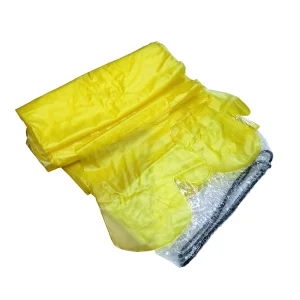
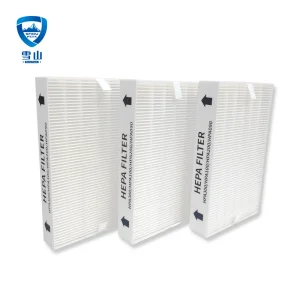
Complete OEM Industrial & Replacement Filtration Range
Explore our extensive line of cleanroom HEPA filters, pocket media rolls, and photocatalyst filtration elements.