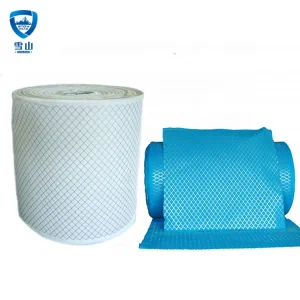
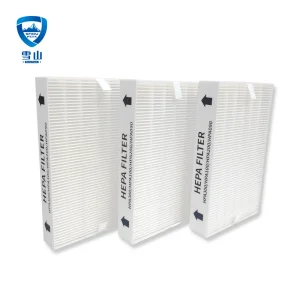
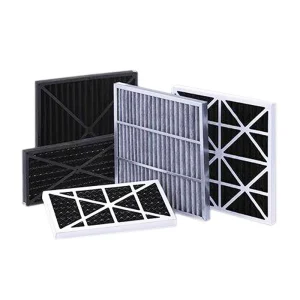
Featured Air Filtration Material & Component Portfolio (Part I)
Explore our high-performance filtration materials, meltblown nonwovens, and custom replacement components optimized for low air resistance and maximum dust holding capacity.
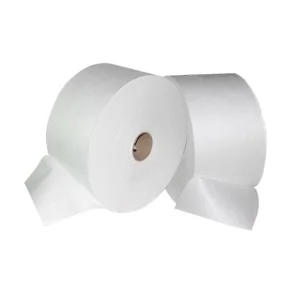



The Science of MERV 13 Filtration: Sub-Micron Aerodynamic Dynamics
In modern heating, ventilation, and air conditioning (HVAC) engineering, as well as industrial cleanroom architecture, Minimum Efficiency Reporting Value 13 (MERV 13) represents the technical sweet spot between high-efficiency sub-micron particulate capture and optimal aerodynamic airflow resistance. According to the standard testing protocols of ASHRAE 52.2 and international benchmarks under ISO 16890 (ePM1 50% to ePM1 70%), MERV 13 filter media must exhibit rigorous fractional efficiency metrics across three distinct particle size ranges: E1 (0.3 to 1.0 µm), E2 (1.0 to 3.0 µm), and E3 (3.0 to 10.0 µm).
The manufacturing process for MERV 13 materials relies primarily on advanced synthetic nonwoven structures—specifically Meltblown Polypropylene (PP) electrostatically charged media thermal-bonded to spunbond backing substrates or laminated with galvanized wire mesh. This composite engineering overcomes the classic compromise of mechanical filtration, where smaller pore sizes exponentially increase system static pressure, forcing commercial HVAC blower fans to consume excessive electrical power.
Comparative Filtration Performance Matrix (ASHRAE 52.2 vs. ISO 16890)
| Rating Standard | E1 Particle Range (0.3 - 1.0 μm) | E2 Particle Range (1.0 - 3.0 μm) | E3 Particle Range (3.0 - 10.0 μm) | Typical HVAC Pressure Drop | Primary Application Targets |
|---|---|---|---|---|---|
| MERV 8 | Unrated (< 20%) | ≥ 20% | ≥ 70% | 35 - 50 Pa | Coarse dust, pollen, lint pre-filtration |
| MERV 11 | ≥ 20% | ≥ 65% | ≥ 85% | 50 - 65 Pa | Residential IAQ, commercial offices |
| MERV 13 (Standard) | ≥ 50% | ≥ 85% | ≥ 90% | 65 - 80 Pa | LEED buildings, hospitals, schools, data centers |
| MERV 15 / HEPA H13 | ≥ 85% - 99.97% | ≥ 90% - 99.99% | ≥ 99% | 120 - 250 Pa | Cleanrooms, surgical suites, bio-labs |
Global Manufacturing Benchmark & Capacity Metrics
Our state-of-the-art production facilities in China integrate high-speed meltblowing, water electret charging, and automated pleating lines to serve industrial supply chains globally.
China Factory Ecosystem: Competitive Advantages for Wholesale Buyers
Procuring wholesale MERV 13 material directly from leading Chinese manufacturers provides global OEMs and distributors with unmatched scalability, cost efficiency, and technological innovation.
1. Upstream Petrochemical & Resin Integration
China's integrated supply chain links high-melt-index (MFI 1500–1800) polypropylene resin production directly with nonwoven extrusion lines. This raw material proximity eliminates middleman markups, ensuring stabilized bulk material costs even during global resin market fluctuations.
2. Hydro-Charging (Water Electret) Innovation
While traditional air filters rely on corona electret charging—which degrades rapidly in high-humidity environments—our Chinese production centers utilize high-pressure hydro-charging technology. Pure water jets inject permanent dipoles into microfibers, achieving high sub-micron capture efficiency with minimal media thickness.
3. Automated Composite Lamination Lines
Our plants feature fully automated inline lamination that fuses meltblown PP with PET spunbond, expanded wire mesh, or synthetic scrims in a single pass. This process maintains precise pleat stiffness, uniform tension control, and zero surface delamination during high-speed pleating operations.
4. Rapid OEM Customization & Slitting
Whether you require standard 24-inch master rolls, pre-cut pleated packs, or specialized roll widths ranging from 100mm to 2100mm, Chinese manufacturing clusters support short-run prototyping alongside multi-container mass production with lead times under 14 days.
Future Filtration Trends: What Global Procurement Directors Must Know (2025–2030)
As commercial building standards evolve toward decarbonization and strict indoor environment monitoring, MERV 13 materials are undergoing transformative technological shifts.
Decarbonization & Low Fan-Power Media
HVAC system operation accounts for up to 40% of commercial building energy consumption. Next-gen MERV 13 media focuses on reducing aerodynamic drag down to 25 Pascals at standard face velocities (492 fpm / 2.5 m/s). Lower pressure drop allows variable air volume (VAV) fans to dial down RPMs, generating significant annual energy savings for LEED-certified commercial properties.
Nanofiber Electrospun Composite Layering
By depositing a ultra-thin (50–200 nm diameter) nanofiber web onto synthetic substrate media, manufacturers create a mechanical sieve effect. This hybrid structure guarantees long-term MERV 13 efficiency retention even after electrostatic charge dissipation in harsh industrial oily aerosol environments.
Antimicrobial & VOC Degradation Coatings
Modern commercial specifications increasingly request MERV 13 material rolls impregnated with non-migratory zinc-pyrithione or cold-catalyst layers. These additives neutralize bio-aerosols and break down off-gassed volatile organic compounds (formaldehyde, benzene) directly within the media matrix.
Macro Industry Solutions & Localized Application Scenarios
From enterprise server farms to specialized residential air purifier OEM assembly lines, custom MERV 13 media solutions are tailored to specific airborne hazard profiles.
Commercial Office Towers & Public Infrastructure
Challenge: Balancing high fresh-air turnover requirements with energy efficiency mandates in high-density urban zones.
Solution: Pleated MERV 13 deep-bed filters using wire-mesh-laminated media rolls. The high dust-holding capacity (DHC) extends maintenance intervals from 3 months to 9–12 months, lowering facilities operational expenditure (OpEx).
Hyperscale Data Centers & Telecommunication Hubs
Challenge: Fine particulate accumulation on server motherboards causing static arc discharge and cooling restriction.
Solution: Low-pressure drop synthetic MERV 13 media combined with gas-phase chemical filtration layers to arrest both sub-micron particulates and airborne corrosive sulfur/nitrogen gases.
Healthcare Cleanroom Pre-Filtration
Challenge: Protecting expensive terminal HEPA (H13/H14) filters from premature loading by coarse and fine ambient dust.
Solution: Installing MERV 13 pre-filters in Air Handling Units (AHUs). By intercepting 90%+ of particles down to 1.0 micron, the lifespan of downstream HEPA filters is extended by over 150%.
Global Enterprise Procurement & Quality Control Protocol
B2B buyers must implement rigorous quality assurance parameters when sourcing bulk nonwoven filter media to guarantee batch-to-batch uniformity and compliance with international building codes.
- TSI 8130A Automated Filter Tester Verification: Ensure supplier batch inspection certificates (COA) specify test flow rates (32 L/min or 85 L/min) using NaCl or Oil (DEHS) challenge aerosols.
- Tensile & Bursting Strength Testing: Media must exhibit sufficient lateral tensile strength (>25 N/5cm) to withstand mechanical pleating blades without microfiber tearing or puncture.
- Flame Retardancy & Safety Compliance: Media intended for commercial HVAC installations must comply with UL 900 Class 1 or Class 2 flammability standards and DIN 53438 (F1 rating).
- Moisture Resistance & Mold Inhibition: Synthetic Polypropylene/PET compositions must be naturally hydrophobic (water absorption <0.8%) to prevent microbial fungal growth under 99% relative humidity.
Frequently Asked Questions (Technical & Sourcing)
Clear answers to technical, engineering, and logistics questions commonly raised by B2B air filtration buyers.
Complete Air Filtration Material & Replacement Portfolio (Part II)
Discover our full commercial series including synthetic filter rolls, carbon media, paint room filter cotton, and custom HEPA replacement assemblies.