
Featured Air Filter Media Solutions for Greater Seoul
High-performance OEM raw materials and finished media customized for HVAC integrators, semiconductor cleanrooms, and municipal air purification infrastructures across Seoul, Gyeonggi, and Incheon.



1. Seoul Market Landscape & Environmental Operating Realities
The Greater Seoul Metropolitan Area—encompassing Seoul, Incheon, and Gyeonggi-do—represents one of the most technologically advanced yet environmentally challenging urban microclimates in East Asia. Commercial facility managers, HVAC system designers, and industrial cleanroom operators face a unique dual threat: severe seasonal atmospheric phenomena (such as spring Yellow Dust / Hwangsa (황사) and high-concentration winter PM2.5 fine dust episodes) coupled with stringent municipal indoor air quality mandates enforced under South Korea's updated Indoor Air Quality Control Act.
To maintain environmental integrity across Seoul’s landmark infrastructure projects—including high-density smart towers in Yeouido (YBD) and Gangnam (GBD), massive data center clusters in Pangyo Techno Valley, and semiconductor sub-tier supplier facilities in the surrounding Gyeonggi industrial corridors—procurement teams can no longer rely on generic filtration media. Standard off-the-shelf filter materials quickly suffer from rapid pressure-drop spikes, premature dust-loading saturation, and prohibitive energy consumption costs due to continuous ventilation demands under Korean seasonal extremes.
| Filter Media Series | Primary Efficiency Grade | Base Polymer / Structure | Key Performance Metrics | Seoul Market Target Application |
|---|---|---|---|---|
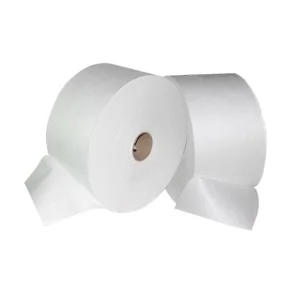
| Meltblown (MB) Electrostatic Series | H10 – H14 / MERV 16+ | 100% Polypropylene (PP) Electret | Low Resistance (< 28Pa @ 5.3cm/s), High Gamma Index | Commercial Air Purifiers, Residential Smart Systems |
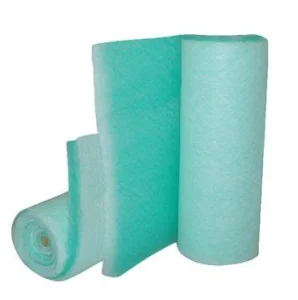
| Synthetic Pocket Media Roll | G4, M5, M6, F7, F8, F9 | Progressive Density Synthetic Fibers | High Dust Holding Capacity (DHC), Anti-burst pocket structural rigidity | Seoul Subway HVAC, High-rise Commercial AHUs |
| Glass Fiber Deep-Pleat Media | E11, H13, H14, U15 | Micro-Glass Fiber Substrate | Thermal stability up to 250°C, Uniform pore size distribution | Semiconductor Cleanrooms (Giheung/Hwaseong Belt) |
| Sandwich Carbon Composite | Gas Adsorption + PM2.5 | Coconut Shell Carbon + Non-woven Layer | Benzene & VOC Adsorption Rate > 92% | Automotive Spray Booths, Lab Exhaust & Urban Off-gas |
2. Micro & Macro Industry Trends Shaping Filtration Demand
The global air filtration market is undergoing a rapid paradigm shift from passive particulate collection toward intelligent, low-carbon, multi-stage environmental protection systems. As an OEM supplier serving global markets and localized hubs like South Korea, our manufacturing roadmap is directly aligned with three dominant macroeconomic macro-trends:
Decarbonization & Energy Efficiency
HVAC fan energy consumption accounts for up to 40% of building energy usage in Seoul’s commercial real estate. Utilizing gradient density synthetic media reduces system initial static pressure drop by up to 25%, delivering measurable annual kilowatt-hour (kWh) reductions for building owners.
Anti-Microbial & Odor Neutralization
Post-pandemic commercial spaces in Seoul demand active protection. Our composite filter media series integrates catalytic activated carbon layers with nano-silver and zinc-pyrithione antimicrobial treatments to prohibit mold growth under high humidity conditions during South Korea’s summer Jangma (장마) rainy season.
Micro-Targeted Particulate Filtration
Transitioning from EN779 to ISO 16890 protocols means suppliers must detail fractional efficiency against ePM1, ePM2.5, and ePM10. Our automated thermal-bonded media rolls guarantee precise fiber alignment for sub-micron particulate entrapment without air bypass.
3. Technical Specifications & OEM Procurement Criteria
Global buyers and local Korean procurement engineering managers require absolute consistency in physical media parameters. Variations in basis weight (GSM), thickness, air permeability, or tensile strength directly cause production line downtime during high-speed mini-pleating and bag-sewing operations. Our manufacturing line in Shenzhen operates under strict closed-loop quality monitoring (IQC, IPQC, FQC, OQC), providing customized roll lengths, slit widths, and synthetic backing layers tailored precisely to your converter machinery.
Key OEM Parameter Flexibility for Seoul Importers & Assemblers:
- Roll Width Customization: Slitting tolerances within ±1.0 mm for automated pleating machines (standard widths from 100mm to 2100mm).
- Flame Retardancy Ratings: Available compliance with DIN 53438 (F1/K1) and UL 900 fire safety standards required by public sector buildings in South Korea.
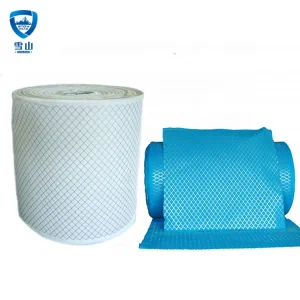
- Structural Lamination: Wire-mesh lamination, non-woven backing, and thermobonded scrim layers to ensure mechanical rigidity under high face velocity HVAC operations.
- Gas Phase Adsorption Options: Impregnated virgin coconut activated carbon, spherical carbon beads, or catalytic aluminum oxide for target gas removal (Formaldehyde, SO2, NH3, VOCs).
4. Korean Compliance & Local Logistics Support
Importing industrial raw materials into South Korea demands tight logistics coordination and strict regulatory alignment. Operating as an established export partner serving the Seoul market, our direct shipping routes from Shenzhen port to Incheon Port (handling container freight) and Gimpo/Incheon International Airport (for rapid air shipments) ensure dependable lead times for Just-In-Time (JIT) manufacturing schedules.
We provide comprehensive technical documentation dossiers to support Korean importers in obtaining necessary local certifications, including compliance documentation for the KS (Korean Industrial Standards) B 6141 testing methods for air cleaning units, KC safety verification data for consumer replacement parts, and REACH/RoHS environmental declarations for international supply chain compliance.
5. Technical Roadmap & Next-Generation Innovation
Looking forward, our R&D center continues to pioneer advanced media structures designed to meet the rising standards of futuristic smart cities like Seoul. Key development initiatives include:
- Nanofiber Electrospun Membrane Composites: Combining ultra-fine electrospun nylon/polycarbonate nanofibers with synthetic substrates to achieve HEPA-level ePM1 efficiencies with less than half the pressure drop of traditional media.
- Bio-Based Biodegradable Filter Media: Developing renewable PLA-based (Polylactic Acid) synthetic fibers to help global and South Korean corporate clients meet ESG (Environmental, Social, and Governance) targets.
- Low-Offgassing Cleanroom Substrates: Formulating specialized boron-free fiberglass and PTFE membrane media for ultra-clean semiconductor fabrication areas to eliminate micro-contamination risks.
Frequently Asked Questions (FAQ) for Seoul B2B Procurement
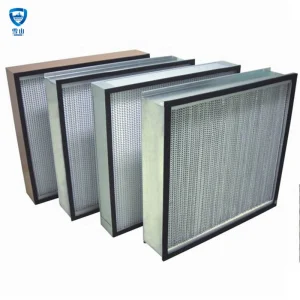
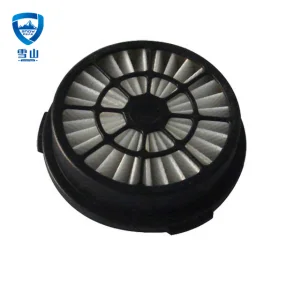
Complete OEM Air Filter Material Series Product Catalog
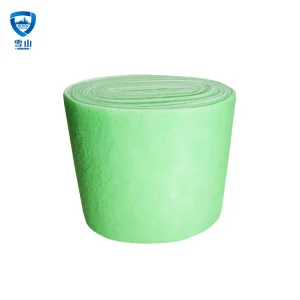
Explore our full line of roll media, synthetic fabrics, wire-mesh laminated pre-filters, and cleanroom HEPA substrate materials engineered for global export.


Partner with a Leading OEM Air Filter Media Manufacturer
Looking for reliable bulk supply, custom slitting, or high-efficiency OEM filter materials tailored for the South Korean market? Get in touch with our senior engineering team today for technical data packages, free media samples, and direct factory quotation options.
Send Inquiry Now